Nigeria suspends gasoline import licenses for second month
Nigeria suspended fuel import licenses for a second month to prioritize local supply. Regulators cite sufficient output from domestic refineries like Dangote.

Nigeria has suspended the issuance of gasoline import licenses for a second consecutive month as regulators begin enforcing provisions of the Petroleum Industry Act (PIA) that prioritize domestic supply. Data from the Nigerian Midstream and Downstream Petroleum Regulatory Authority (NMDPRA) indicates that no import licenses were issued in February, and the Crude Oil Refineries Association of Nigeria (CORAN) confirmed that none have been granted so far in March.
This regulatory shift highlights a stronger intent by Nigerian authorities to protect domestic refining and marks a significant milestone for the Dangote Refinery, which last year pursued legal action against the regulator and the state oil company to force a halt to imports. Under the PIA, the regulator may grant import permits only when domestic production is insufficient to meet national demand. While the policy focuses on local self-sufficiency, global energy infrastructure companies like DT Midstream, Inc. and international refiners such as Mangalore Refinery and Petrochemicals Limited are observing how these shifts in major oil-producing nations affect global trade flows.
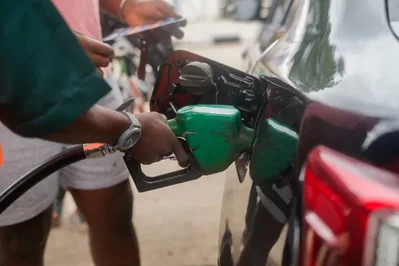
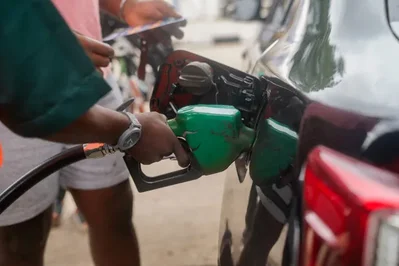
Fuel pump prices in the country have surged by more than 54% recently, following military strikes by the United States and Israel on Iran, which pushed global oil markets higher. NMDPRA spokesperson George Ene‑Ita attributed the sharp rise in local prices to the escalating conflict in the Middle East. Nigeria’s average daily petrol consumption fell to 56.9 million liters per day in February 2026, down from 60.2 million liters in January.
In February, the Dangote Refinery supplied 36.5 million liters of petrol and 8 million liters of diesel to the local market. The regulator deemed these volumes sufficient to meet national requirements, leading to the decision to withhold import licenses. Eche Idoko, spokesperson for CORAN, which has long urged the government to stop issuing import licenses that undermine local refiners' margins, welcomed the regulator’s stance.
For us, anything that protects local production is a good move.
Idoko noted that the primary challenge for the industry now is to sustain this momentum and ensure that domestic production can consistently meet the country's energy needs without relying on foreign imports.