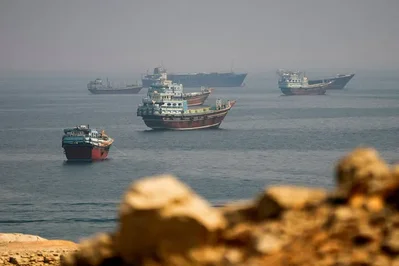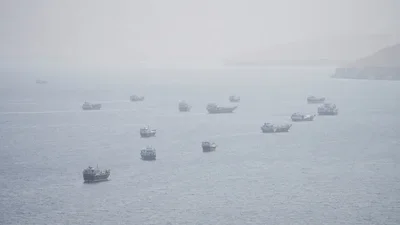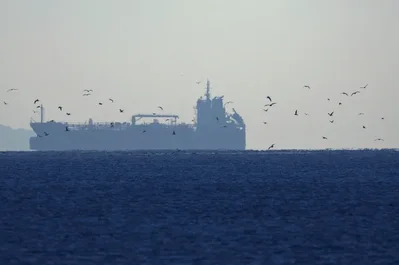


The escalating conflict involving Iran is causing severe disruption to global maritime trade, with at least four tankers damaged and a seafarer killed in recent days. The Strait of Hormuz, a vital shipping lane located between the Iranian coast and Oman, has seen traffic ground to a near halt following retaliatory strikes involving the United States and Israel. Approximately 150 vessels, including oil and liquefied natural gas carriers, are currently stranded in the region as navigation through the critical waterway remains suspended. This instability has triggered a sharp rally in energy markets, with Brent Crude Oil futures surging by more than 7% and Natural Gas prices climbing as multiple production facilities across the Middle East face shutdowns. Tracking data shows tankers clustered in open waters off the coasts of major regional producers, including Iraq, Saudi Arabia, and the gas-exporting giant Qatar. Maritime security has deteriorated rapidly across the Gulf. A projectile struck the U.S.-flagged tanker Stena Imperative in the port of Bahrain, resulting in a fire that was eventually extinguished. Another attack claimed the life of a crew member on the Marshall Islands-flagged MKD VYOM off the Omani coast. Additionally, the Hercules Star was targeted near the coast of the United Arab Emirates, though the vessel managed to return to Dubai safely with all crew members reported secure. In response to the rising violence, marine insurers are cancelling war risk coverage for vessels operating in the region. Major providers, including Gard, Skuld, and NorthStandard, announced that cancellations would take effect from March 5, excluding coverage for Iranian and Gulf waters. In Japan, the MS&AD Insurance Group Holdings, Inc. confirmed it has suspended underwriting for various policies covering war risks in the waters surrounding the conflict zone. Shipping costs are skyrocketing as owners grow increasingly reluctant to send vessels into the volatile area. Spot rates for hiring very large crude carriers on the Middle East to China route have nearly tripled since the beginning of 2026. Emril Jamil, a senior analyst at LSEG, highlighted the ongoing pressure on global freight markets. > TD3C rates were rising exponentially before the attacks and will continue to remain elevated as countries scramble to meet their energy needs. With Middle East loading routes expected to remain firm, market analysts suggest that global energy buyers may increasingly rely on longer-distance voyages to source crude from West Africa and the American continent, further straining global freight capacity and supporting elevated shipping rates.
Iran Conflict Disrupts Shipping and Damages Tankers
Shipping through the Strait of Hormuz has halted after several tankers were damaged. Insurers are cancelling war risk coverage as energy prices rise further.
洞察:
Xurve View