India Considers Digital Payment Lags to Prevent Fraud
India's central bank proposed a delay for digital payments over 10,000 rupees to curb fraud. The plan includes extra authentication and account credit limits.

The central bank of India is exploring new measures to combat the rise in digital payment fraud. On Wednesday, the Reserve Bank of India released a discussion paper seeking feedback on proposals that include introducing a time delay for specific high-value transactions.
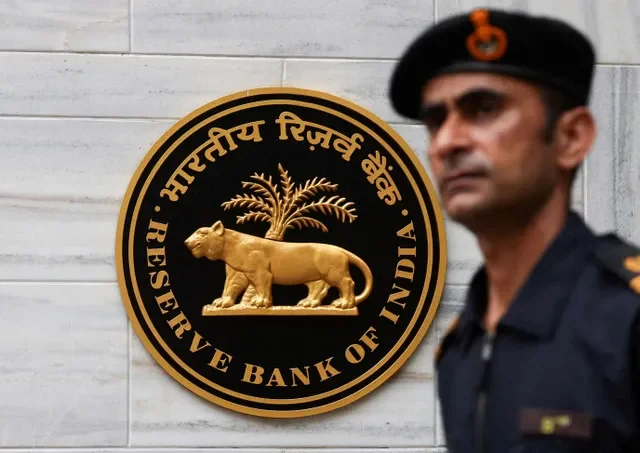
The Reserve Bank of India outlined four primary safeguards designed to protect consumers and curb financial crimes. One key suggestion involves implementing a processing lag for authorized push-payment transactions exceeding 10,000 rupees, which is approximately $107.92. This cooling-off period is intended to provide users and financial institutions with a window to identify and intercept fraudulent activity before funds are permanently transferred.
Beyond transaction delays, the central bank suggested requiring additional authentication steps for high-value transfers initiated by vulnerable users. Other proposals include placing limits on credits into certain bank accounts that have not undergone enhanced verification checks and providing customers with more direct control over their security settings, such as the ability to disable specific digital payment channels. These measures come as digital payment volumes in the country continue to surge, bringing a corresponding increase in sophisticated financial scams. The central bank is currently soliciting feedback from stakeholders to refine these proposals before any official implementation.