跳至主要內容

Schnabel Warns Stablecoins May Cement Dollar Dominance

European Central Bank board member Isabel Schnabel says the rapid spread of dollar-pegged stablecoins could reverse a long-term decline in the currency's global role. This trend may undermine monetary policy in some nations and eventually limit the euro's influence in tokenized finance.

洞察:
Xurve View

European Central Bank board member Isabel Schnabel warned that rising stablecoin adoption could cement the global dominance of the United States. The shift follows a two-decade decline in the dollar's share of global foreign exchange reserves, which fell below 57% last year. For investors, the trend suggests a potential reversal in the diversification of global liquidity away from the greenback.

Stablecoins as a Dollar Reinforcement Mechanism

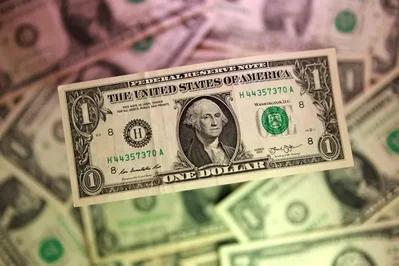
The vast majority of stablecoins are pegged to the U.S. dollar, giving them scale advantages and network effects. Schnabel told a conference in South Korea on Monday that these digital assets could bypass traditional economic fundamentals to maintain dollar hegemony.

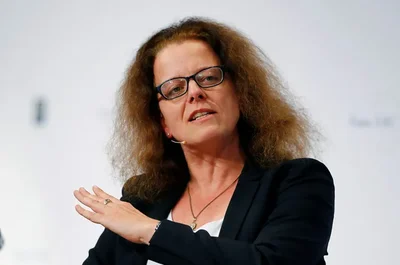
FILE PHOTO: Isabel Schnabel, member of the German advisory board of economic experts attends the 29th Frankfurt European Banking Congress (EBC) at the Old Opera house in Frankfurt, Germany November 22, 2019. REUTERS/Ralph Orlowski/File Photo

While current stablecoin usage remains relatively low, analysts at the ECB project a rapid spread across financial systems. Data from the International Monetary Fund shows the dollar's reserve share stood at 70% in 2000, losing ground to smaller currencies over 24 years. Stablecoin growth threatens to halt this trend by embedding the dollar into new tokenized finance structures.

Risks to Monetary Policy and the Euro

Countries with low policy credibility face a "vicious circle" where citizens prefer dollar-based stablecoins over local tender. Schnabel said this preference weakens the ability of central banks to transmit interest rate changes to the real economy. The persistent use of these assets could eventually increase dollar-based invoicing and global liquidity holdings.

From a European perspective, this could eventually limit the euros role in emerging forms of tokenised finance and in the international monetary system more generally.

The euro's international standing is at risk if dollar-pegged assets become the primary medium for digital transactions. Schnabel noted that even regions with high credibility could face undesirable consequences from the dominance of U.S. dollar stablecoins. This shift may limit the euro's influence in the evolving international monetary system.

What to Watch

Schnabel's remarks highlight growing ECB concern about stablecoin expansion and its implications for the euro's role in global finance. The central bank is monitoring how rapidly these dollar-pegged assets spread across financial systems and their potential to reshape international monetary dynamics.

本文相關資產

具啟發性的問題