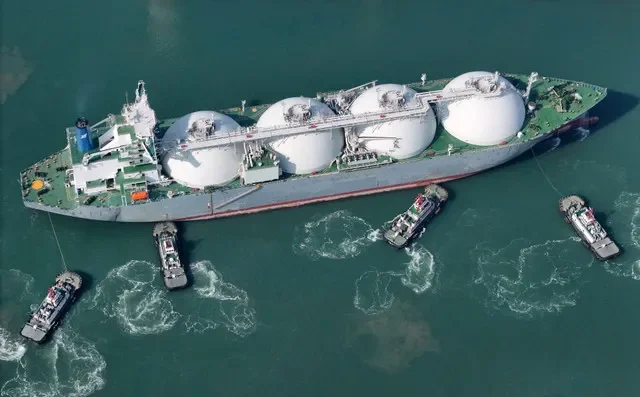
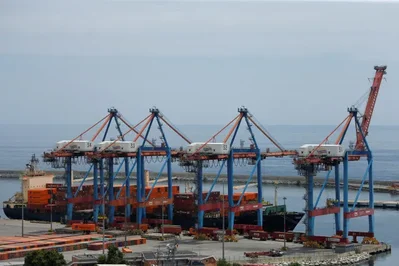
The ability to export these volumes stems from a plateau in domestic demand. Weakened economic activity has sapped industrial gas consumption, while domestic production and pipelined supply from Russia have remained steady. This domestic stability has allowed Chinese buyers to pivot toward the lucrative spot market, where prices have soared due to geopolitical instability.
Against a backdrop of weak domestic demand, it made more sense for buyers to resell LNG cargoes overseas.
Asian LNG prices have jumped 85% since the United States and Israel launched strikes on Iranian targets on February 28. These military actions have disrupted energy shipments through the Strait of Hormuz, a critical maritime passage that carries approximately one-fifth of global LNG flows. While China has restricted exports of refined fuels to preserve domestic supply amid Brent Crude Oil constraints, the gas market has remained flexible.
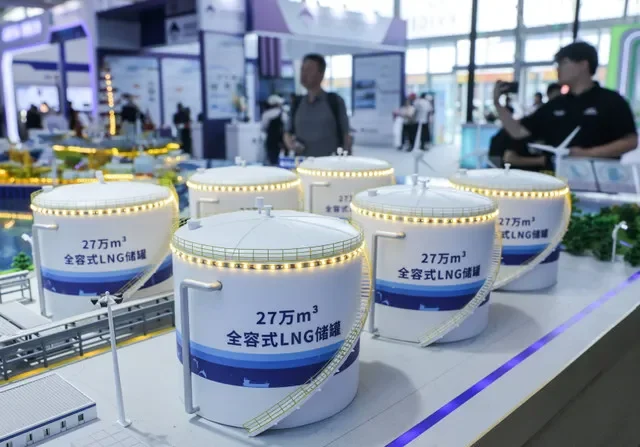
CNOOC LTD-A has been a central player in this trend. The company's Binhai terminal in Jiangsu province accounted for nearly half of the reloads recorded in March. This strategic reselling occurs even as China’s own imports have slumped. In March, imports fell to 3.68 million tons, the lowest monthly level since 2018, as high international prices deterred new purchases.
Analysts in Singapore suggest that China will likely avoid competing for new cargoes in the immediate future. The country is expected to rely on inventory drawdowns and stable pipeline imports to meet its internal needs while the heating season concludes.
There has been no pressure from demand because the heating season is over, and spot prices are good so China can reload cargoes.
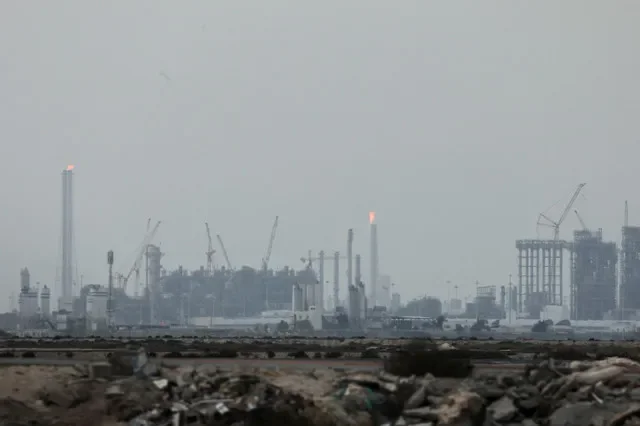
China remains the largest market for Qatar, but shipments from the Gulf producer troughed in March after regional infrastructure was targeted. Despite these external shocks, the combination of high storage levels and low industrial demand has left China uniquely positioned to profit as a swing supplier in the Asian market.