跳至主要內容

Chinese coal to chemical stocks rise amid Iran conflict

Chinese coal-to-chemical stocks rose 30 percent since the Iran war began. Higher oil prices provide a cost advantage over traditional oil-based producers.

洞察:
Xurve View

The escalating conflict involving Iran has sparked a significant rally in the coal-to-chemicals sector within China, as investors bet on the industry's ability to bypass volatile global oil markets. Since the onset of hostilities, some stocks in the sector have surged by as much as 30%, capitalizing on their capacity to transform domestic coal into petroleum products and essential chemicals without relying on shipments through the vulnerable Strait of Hormuz.

While international petrochemical competitors face a 30% spike in oil prices, Chinese coal prices have remained stable or declined. This divergence has created a massive cost advantage for companies that utilize coal as a feedstock. Shares in Ningxia Baofeng Energy, a major producer of coal-derived petrochemicals, have risen 30% since the United States and Israel launched military operations on February 28. China Shenhua Energy Company Limited, the listed division of the country's top coal miner, has also seen a 15% increase in its share value.
In contrast, traditional oil-based refiners are under intense pressure. Rongsheng Petrochemical has seen its shares tumble by 27% since the conflict began, while peers such as Hengli Petrochemical and Wanhua Chemical have fallen by 21% and 17%, respectively. These refiners are squeezed by rising raw material costs and domestic government price controls on retail gasoline and diesel, which prevent them from fully passing on higher expenses to consumers.

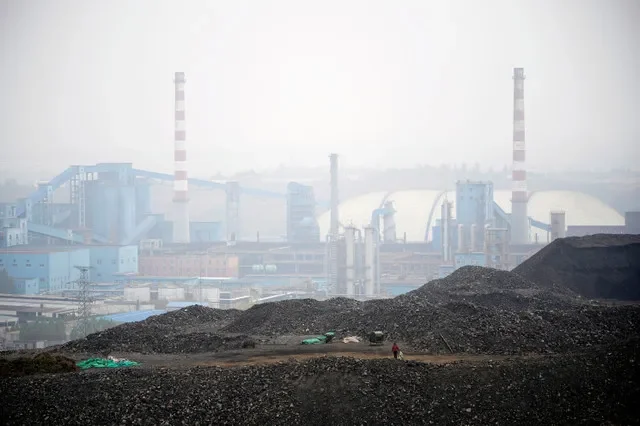
A view of low-grade coal piles at a mining site in Ruzhou, Henan province, China, captured in late 2021. REUTERS/Aly Song/File Photo

Market analysts suggest that the geopolitical situation has validated the strategic shift toward coal-based production. Analysts at Guolian Minsheng Securities highlighted the trend in a recent briefing.

High oil prices have sharply increased costs for oil-based chemical producers.
Coupled with supply constraints in the Middle East, the cost advantage of coal-based chemicals has become increasingly apparent, driving sustained growth in downstream demand.

The sector’s growth aligns with Beijing's broader energy security goals. The government has prioritized coal-to-chemicals projects in its latest five-year plan to mitigate risks associated with importing massive quantities of oil and gas. Last year, coal consumption in the sector grew by 11.5% to 362 million metric tons. With an additional 243 million tons of capacity currently under construction and 561 million tons in the planning pipeline, the industry is set for a massive expansion.

With chemical product prices rising, coal-to-chemicals companies are expected to see earnings improve, while faster approvals for new projects may also support valuation expansion.

Despite the environmental concerns associated with coal-to-chemicals production, the current conflict is likely to reinforce the government's commitment to the sector as a primary hedge against global energy disruptions.

本文相關資產

具啟發性的問題