China halts electricity imports from Russia due to high prices and Far East capacity shortages
China has stopped importing electricity from Russia due to higher domestic prices and capacity shortages in the Far East. Both nations remain open to future sales.
洞察:
CN  CNhas stopped importing electric power supplies from RU
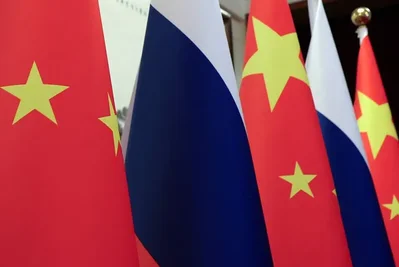
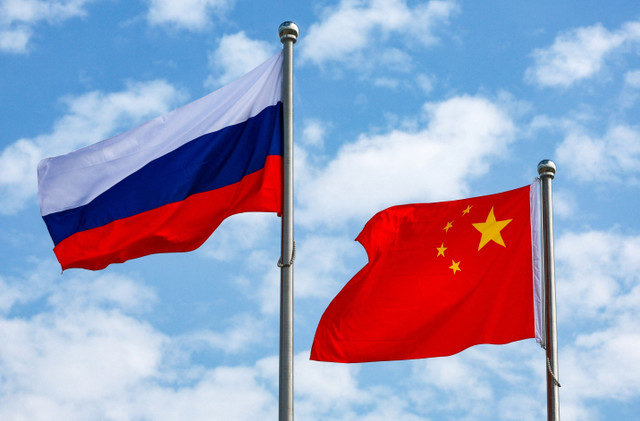
 RUas a result of rising domestic power prices and system constraints in the Far East. According to reporting from the Kommersant newspaper, the halt follows a sharp decline in trade volumes over several years. While deliveries have ceased for the time being, RUhas expressed a willingness to resume supplies under mutually beneficial terms, and negotiations between the two nations are ongoing.
CNhas stopped importing electric power supplies from RU RUas a result of rising domestic power prices and system constraints in the Far East. According to reporting from the Kommersant newspaper, the halt follows a sharp decline in trade volumes over several years. While deliveries have ceased for the time being, RUhas expressed a willingness to resume supplies under mutually beneficial terms, and negotiations between the two nations are ongoing.The decline in electricity exports from RUto CNhas been dramatic. In 2022, the total volume reached 4.6 billion kilowatt-hours, but this dropped to 3.1 billion kilowatt-hours in 2023 and fell further to 0.9 billion kilowatt-hours in 2024. During the first nine months of 2025, exports totaled only 0.3 billion kilowatt-hours. RUhas been reducing these supplies since 2022 due to power capacity shortages in its Far Eastern power system, where domestic demand is rapidly expanding.
The energy ministry of RUstated that the priority is to meet the rising demand within its own Far East region. Supplies are traditionally managed by InterRAO under a long-term contract signed in 2012, which was designed to deliver approximately 100 billion kilowatt-hours to CNover a period of 25 years. Despite the current suspension of imports, InterRAOnoted that neither side has expressed any plans to terminate the existing contract.
Interstate transmission lines connecting the Far Eastern power system of RUwith northeastern provinces in CNprovide a maximum delivery capacity of 7 billion kilowatt-hours per year. However, high prices in RUcompared to domestic Chinese rates have made current exports uneconomical. InterRAOclarified that the CNside has not shown interest in ending the agreement and talks remain active. The government of CN did not immediately reply to requests for comment on the matter.