跳至主要內容

Brazil Central Bank Signals Strategy of Pauses and Cuts

Minutes from the latest policy meeting reveal that Brazilian officials prefer a strategy of alternating pauses with rate cuts to steer inflation toward the three percent target by early 2028. This approach aims to minimize output fluctuations while managing upside risks from fiscal stimulus and global supply shocks.

更新於
洞察:
Xurve View
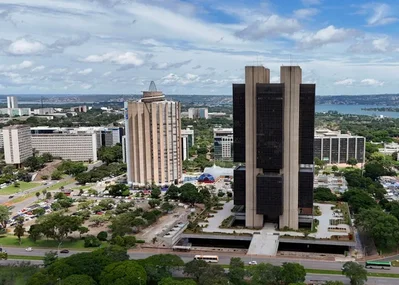
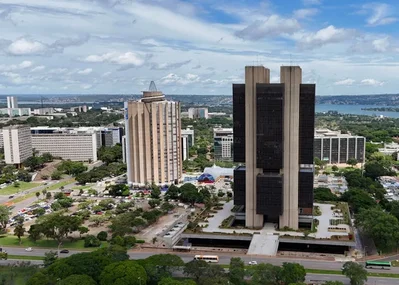
FILE PHOTO: The Central Bank of Brazil headquarters in Brasilia, Brazil, December 18, 2024. REUTERS/Adriano Machado/File Photo

The central bank of Brazil signaled on Tuesday it will combine rate pauses with future cuts to reach its 3% inflation target by early 2028. This strategy aims to minimize output fluctuations compared to more aggressive tightening paths. Investors face a longer horizon for policy normalization as policymakers prioritize stability over immediate convergence.

Balancing Volatility and Inflation Targets

Minutes from the latest rate-setting meeting show policymakers rejected paths requiring abrupt Selic rate changes. The bank argued that forcing inflation to the 3% target by late 2027 would cause excessive volatility in macroeconomic aggregates. Instead, the committee prefers a gradual approach that avoids pushing inflation below the goal in subsequent quarters.

GOLDMAN SACHS GROUP INC economist Alberto Ramos noted the bank flagged an upside tilt to inflation risks for the first time. Ramos raised his end-of-2026 rate estimate to 14.00% from 13.25% following the hawkish tone. Goldman Sachs now expects the bank to halt its normalization cycle and resume cuts no earlier than late 2026.

Shifting Horizons and External Risks

The central bank cut rates by 25 basis points to 14.25% last Wednesday, marking its third consecutive reduction. However, the decision steepened the yield curve as the bank left future steps unguided amid rising price projections. Policymakers cited stimulus measures from the government of President Luiz Inacio Lula da Silva as a contributing factor to the adverse backdrop.

External pressures, including the Middle East conflict and potential El Nino impacts, remain key uncertainties for the committee. The bank stated it would not fully respond to supply shocks, which are subject to high uncertainty. This cautious stance aligns with market pricing to avoid counterproductive effects on financial asset prices.

XP INC - CLASS A chief economist Caio Megale said the current plan likely includes holding rates steady at the next meeting. While the door remains open for future easing, the preference for "periods of pause" suggests a more restrictive stance in the short term. The bank will shift its reference horizon to the first quarter of 2028 at its next policy decision.

The central bank will hold its next policy meeting on August 5.

本文相關資產

具啟發性的問題