Ending the 15-Year Currency Peg
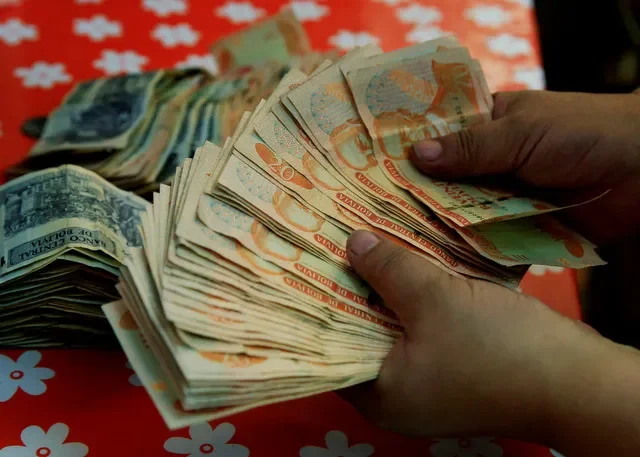
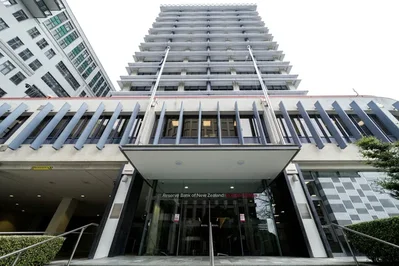
The central bank oversaw the shift to preserve external competitiveness and address a severe scarcity of dollars. Bolivia had maintained its previous exchange rate since 2011, but falling foreign-exchange reserves triggered a parallel market where the dollar traded near 20 bolivianos. The economy ministry stated in a decree that the flexible system will help normalize currency markets and boost investor confidence.
The new official rate of 9.73 bolivianos per dollar aligns closer to the recent reference rate of 9.90 used for commercial transactions. This adjustment reflects the government's effort to stabilize public finances and rebuild reserves. The central bank updated its website following the decree to reflect the new valuation effective Monday.
IMF Negotiations and Domestic Opposition
The policy shift aligns with recommendations from the IMF annual report, which advised ending the peg last year. Analysts expect the devaluation to support Bolivia's request for a fund-supported program, which could reach $3 billion. Economist Gonzalo Chavez noted that the transition's success depends on the central bank's ability to continue securing international reserves.
Labor groups, including the Bolivian Workers Central, have opposed the change and the prospect of IMF borrowing. Protesters have blocked major roads since May, citing concerns that an IMF deal will lead to austerity measures. President Rodrigo Paz declared a state of emergency last week to allow security forces to clear these roadblocks.
The central bank will implement the new exchange-rate regime starting Monday.