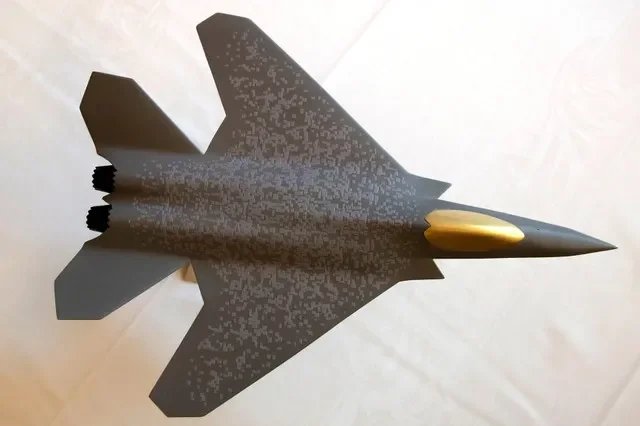
The formal separation between Airbus and DASSAULT AVIATION SA is expected to be made official during the Berlin Airshow this week. This "divorce" allows Airbus to more openly pursue a partnership with the maker of the Gripen fighter jet. Airbus Defence & Space CEO Michael Schoellhorn confirmed SAAB AB-B is a potential partner but noted it is too early to rule out other international options.
Fragmenting European Defense Projects
The collapse of the nine-year FCAS project, which included Spain, highlights the difficulty of aligning military and industrial priorities across France and Germany. Douglas Barrie, a senior fellow at IISS, said the breakdown demonstrates the challenges of maintaining a unified European defense front. While DASSAULT AVIATION SA claims it can develop a fighter independently, French public finances remain under significant pressure.
Alternative alliances are already competing for German participation. LEONARDO SPA CEO Lorenzo Mariani recently invited Germany to join the Global Combat Air Programme (GCAP), a rival project involving the United Kingdom, Italy, and Japan. However, insiders suggest GCAP's strict 2035 deadline might limit Germany to a junior role in that coalition.
Industrial Integration and Unmanned Tech
Sweden and Germany have been inching closer through industrial cooperation, which Swedish Defence Minister Pal Jonson described as blossoming late last year. Initial talks between Airbus and SAAB AB-B focused on unmanned technology to support existing platforms like the Eurofighter and Gripen E. These technical discussions could serve as a springboard for deeper integration on a next-generation crewed successor.
Schoellhorn emphasized that Germany continues to prioritize a European approach rather than going solo. Analysts suggest that except for the United States or China, few nations can afford the costs of developing modern fighter systems alone. Alliances remain the only viable path to making these advanced platforms affordable for European budgets.
What to Watch
Airbus and DASSAULT AVIATION SA are expected to formally announce the end of their FCAS partnership during the Berlin Airshow on June 12.