US Senators Push USDA for Urgent Action on Bird Flu Vaccine as Administration Stalls
Senators urge USDA vaccine plan as bird flu kills 180M poultry.
Perspectivas:
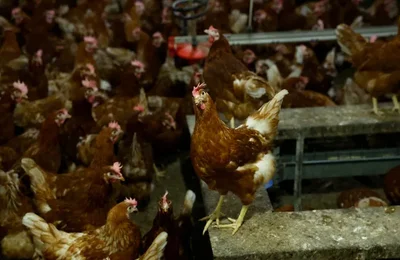
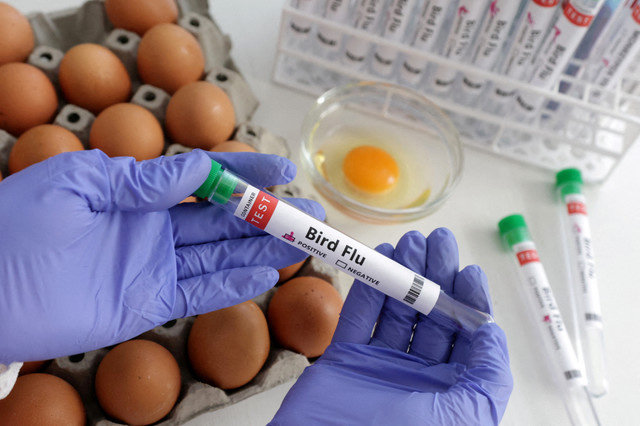
A bipartisan coalition of 23 U.S. US senators has urged the Trump administration to finalize a science-based plan for developing a bird flu vaccine for livestock, escalating pressure on federal health officials as infections surge during winter months. The letter, sent Wednesday to Agriculture Secretary Brooke Rollinsbrooke rollins and first reported by Reuters, comes as more than 180 million chickens, turkeys and other poultry have been killed since the outbreak began in 2022.
The urgent appeal highlights growing frustration with the U.S. Department of Agriculture's lack of progress since announcing in June that it was developing a potential poultry vaccination plan. Despite receiving 417 proposals for $100 million in research funding pledged in March—intended to support vaccine and therapeutic development for egg-laying chickens—the USDA has released no further details or timeline for implementation.
The letter was led by Amy Klobucharamy klobuchar of Minnesota, the top Democrat on the Senate Agriculture Committee, and Republican Senator Mike Roundsmike rounds of South Dakota. Signatories include Senate Majority Leader John Thunejohn thune of South Dakota and several Republican and Democratic members of the Senate Agriculture Committee, underscoring the issue's bipartisan urgency.
"Any finalized vaccine strategy must take into account feedback from animal health stakeholders, industry experts, and be grounded in sound science," the senators wrote, emphasizing the need for evidence-based policymaking amid rising infection rates that have historically driven egg prices to record highs.
A pressão pela vacinação de animais ocorre em um contexto de mudanças na política federal de vacinas. Em maio, a administração Trump cancelou um contrato de US$ 700 milhões com a Moderna para desenvolver uma vacina contra a gripe aviária em humanos. O Secretário de Saúde Robert F. Kennedy Jr.robert f kennedy jr, um cético em relação às vacinas há muito tempo, desde então reduziu outros financiamentos para pesquisas de vacinas e eliminou orientações federais de longa data sobre vacinas, gerando incerteza sobre o compromisso do governo com iniciativas de desenvolvimento de vacinas.
A indústria avícola continua dividida em relação à estratégia de vacinação, principalmente devido a preocupações com os mercados de exportação. Muitos parceiros comerciais restringem as importações de aves vacinadas ou exigem protocolos de teste adicionais, o que pode interromper bilhões de dólares em comércio internacional. Os senadores reconheceram essa complexidade em sua carta, instando Rollins a "trabalhar em estreita colaboração com os parceiros comerciais e os produtores afetados para avaliar e gerenciar completamente quaisquer potenciais implicações comerciais de um plano de vacinação."
The USDA told Reuters in late November that the agency had not yet shared a poultry vaccination plan with trading partners, indicating that diplomatic groundwork for such a strategy has not begun despite months of preparation time. This lack of coordination raises questions about whether the administration intends to move forward with vaccination efforts or allow the initiative to remain indefinitely delayed.
O momento da carta dos senadores reflete uma urgência prática: as infecções por gripe aviária costumam aumentar durante os meses mais frios, quando aves aquáticas migratórias disseminam o vírus para os rebanhos domésticos. Com quase 200 milhões de aves já perdidas devido ao surto ao longo de três anos, os produtores enfrentam crescentes perdas econômicas enquanto aguardam orientações federais sobre estratégias de prevenção que poderiam reduzir o abate futuro.
The stalled vaccination plan represents a test case for how the administration will balance scientific recommendations, industry concerns, and international trade considerations in managing agricultural disease outbreaks. For now, the 417 research proposals submitted to the USDA remain in limbo, along with the $100 million in funding that could advance vaccine development but has yet to be allocated.