Banking and Mining Equities Lead Declines
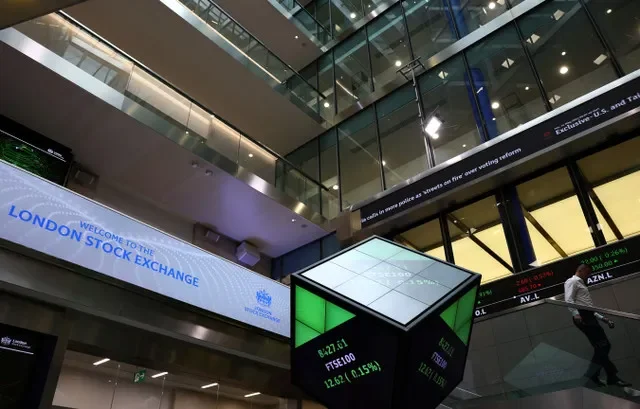
The blue-chip index faced heavy pressure from financial institutions and resource extractors. Lion Finance Group and Standard Chartered each fell about 4.5% to rank among the session's largest drags. Precious metals miners dropped 2.9% to touch a one-year low, tracking a 2% fall in Gold prices. Meanwhile, aerospace and defence shares lost 2.8%, led lower by engine maker Rolls-Royce**.
Defensive Sectors Provide Support
Defensive categories countered the downward pressure through targeted gains in consumer staples. The personal care, drug, and grocery sector rose 1.2%, supported by advances in Unilever and Reckitt Benckiser*. Unilever climbed 2.2% after the British competition watchdog stated that McCormick & Co**'s proposed sale of the Colmans brand could address competition concerns linked to a planned $65 billion food deal.
Investors are rotating into consumer stocks and defensive sectors, which are viewed as better positioned to perform in an economic slowdown and elevated inflation environment. — Ipek Ozkardeskaya, senior analyst at Swissquote Bank
US Markets and Retail Performance
Across the Atlantic, the Nasdaq fell 4% on Wednesday as investors weighed new tariff proposals targeting major trading partners, third-quarter GDP data, and a selloff in artificial intelligence stocks. On the London exchanges, Imperial Brands gained about 6% after Morgan Stanley raised its target price. Topping the midcap FTSE 250 index, Pets at Home jumped 9.5% to its highest level since November 2024 after forecasting full-year underlying profit before tax at the top end of expectations.
Pets at Home will report its final underlying profit figures on May 22.