U.S. Special Forces Capture Venezuelan Leader Nicolas Maduro in Caracas
U.S. Special Forces have apprehended Venezuelan leader Nicolas Maduro in Caracas, transporting him to New York to face drug charges. This marks the largest U.S. military intervention in Latin America since the 1989 Panama invasion, with potential implications for global oil markets.
Insights:
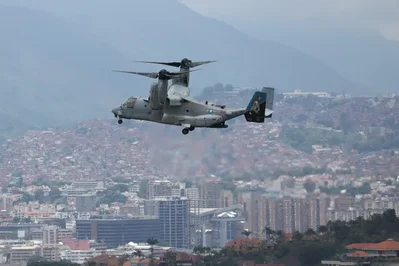
In a dramatic turn of events, U.S. Special Forces have apprehended Venezuelan leader Nicolas Maduro nicolas maduroin Caracas over the weekend, transporting him to New York where he faces drug charges. This operation represents the largest U.S. military intervention in Latin America since the 1989 invasion of Panama. The capture of Madurohas sent shockwaves through global political and energy markets.
Hungarian Prime Minister Viktor Orban viktor orbanhas commented on the potential geopolitical ramifications of this development. He stated that U.S. control over Venezuelan oil, combined with existing U.S. reserves, would position the United States  USand Venezuela
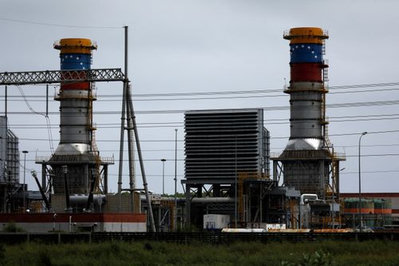
 VEto control 40-50% of global oil reserves. Orbancharacterized this as having the potential to significantly influence world energy market prices, which could benefit Hungary's energy situation.
USand Venezuela VEto control 40-50% of global oil reserves. Orbancharacterized this as having the potential to significantly influence world energy market prices, which could benefit Hungary's energy situation.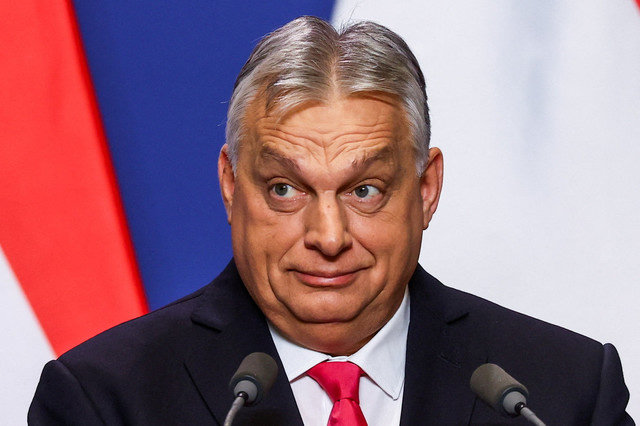
The implications of this intervention reach beyond the immediate political sphere, touching on the energy strategies of various countries. Hungary  HU, which has been pursuing an energy diversification strategy, continues to import Russian oil and gas despite its efforts. Budapest has faced criticism from both EU and NATO members for maintaining these imports. Nonetheless, Hungary's state-owned energy company, MVM, has taken steps to diversify by signing a five-year deal with Chevron Corporation for 2 billion cubic meters of liquefied natural gas.
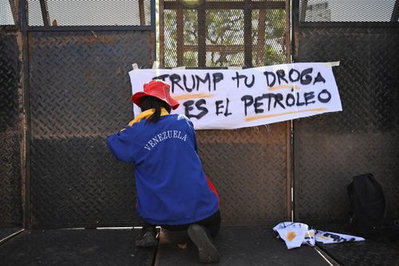
Former U.S. President Donald Trump donald trump, an ally of Orban, has made it clear that he intends to share in Venezuela's oil riches. Trump's administration has also exempted Hungary from U.S. sanctions on Russian energy, specifically for the 2026 Hungarian election year. This strategic maneuvering highlights the intersection of U.S. foreign policy interests in Venezuela and the broader restructuring of global energy markets.
With the apprehension of Maduro, the United Stateshas not only reinforced its presence in Latin America but also potentially reshaped the global energy landscape. The control of significant oil reserves by the U.S. and Venezuela could have far-reaching effects on energy pricing and geopolitical power dynamics, underscoring the strategic significance of this intervention.