Price Pressures Broaden Across Sectors
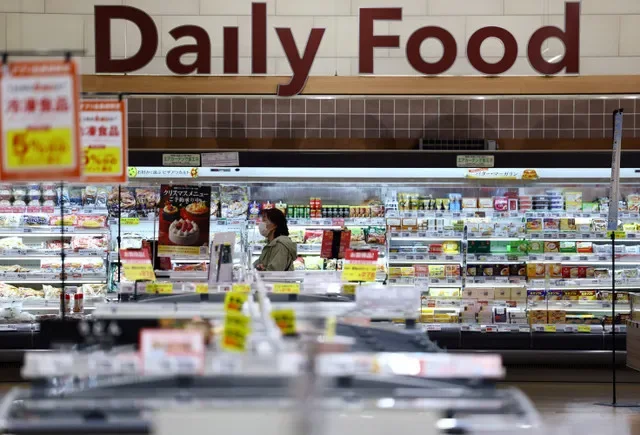
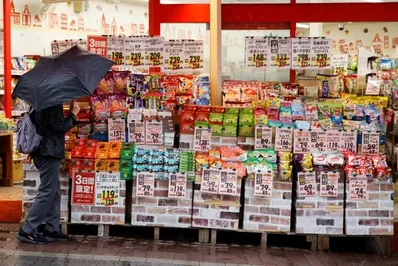
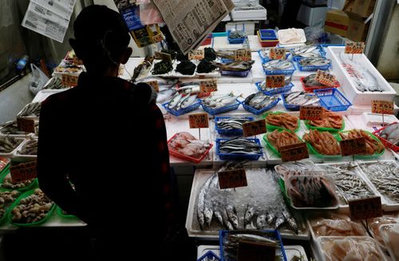
The acceleration was driven partly by the expiration of government utility subsidies, alongside rising prices for food, daily necessities, and hotel charges. A narrower index that strips out fresh food and fuel rose 2.5% in November, following a 2.6% increase in the previous month.
Masato Koike, senior economist at Sompo Institute Plus, said core consumer inflation is expected to accelerate further due to rising energy costs from Middle East conflicts and secondary effects.
If the current market instability stemming from concern over the AI and chip outlook persists, there's a chance the BOJ may forgo a rate hike in December. But our baseline projection is for the BOJ to proceed with one next month.
Policy Outlook and Market Expectations
The central bank previously raised its policy rate to 1.25% in September following an earlier move in June. Policymakers kept rates steady in October while signaling readiness to continue tightening monetary policy to curb accelerating price growth.
Hawkish board member Naoki Tamura stated that the central bank must respond swiftly to signs of an inflation overshoot by accelerating rate hikes. Most economists surveyed expect an increase in December and another move by the end of March, with a terminal rate projected between 1.75% and 2.0%.
The Bank of Japan will decide on further policy tightening at its two-day policy meeting ending on December 18.