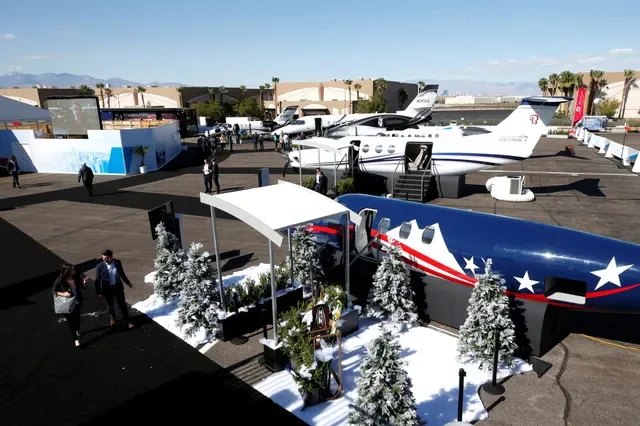
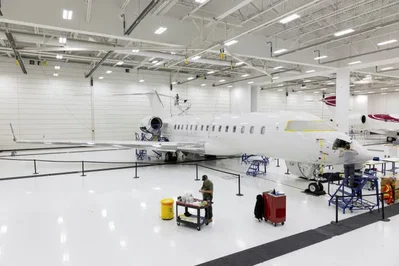
### Labor and Supply Chain Headwinds The aviation unit, which produces Cessna and Beechcraft aircraft, delivered nine fewer jets than the same period a year ago. CEO Lisa Atherton attributed the decline to supply-chain bottlenecks and an inexperienced workforce, noting that roughly 50% of employees have less than five years of experience. Atherton expects productivity to improve next year as workers hired in 2022 gain proficiency.
Higher aircraft pricing and steady demand for aftermarket services helped the aviation segment post a 1% revenue increase, partially offsetting the delivery drop. Meanwhile, the Bell segment saw revenue rise 6% during the quarter. This growth was fueled by the MV-75 Future Long Range Assault Aircraft program alongside increased commercial helicopter and parts sales.
### Funding Risks and Forecasts Textron reported an adjusted profit of $1.62 per share, beating the $1.55 estimate. However, the company reiterated its full-year profit forecast of $6.40 to $6.60 per share. The midpoint of this range sits 2 cents below analyst expectations of $6.52, contributing to the morning sell-off.
The full-year outlook depends on the receipt of additional Army funding for the MV-75 program. Executives stated that a failure to secure this funding could result in a 20-cent to 30-cent per share hit to earnings. Textron is currently self-funding the program while awaiting congressional approval to reallocate Army funds.
Textron management will provide further updates on the MV-75 funding status and aviation delivery timelines on October 22.