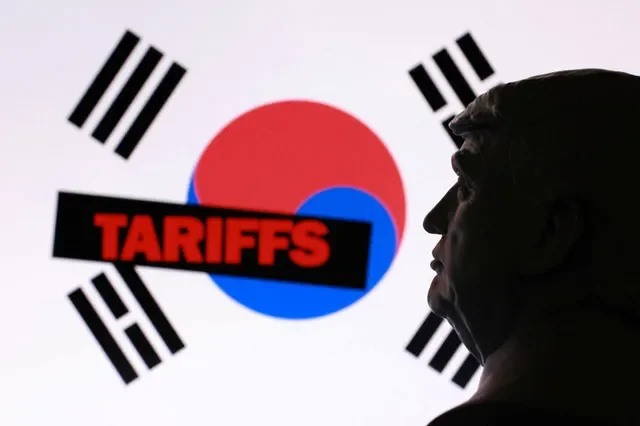
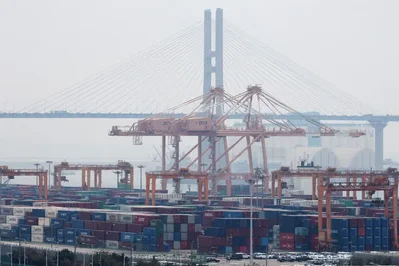
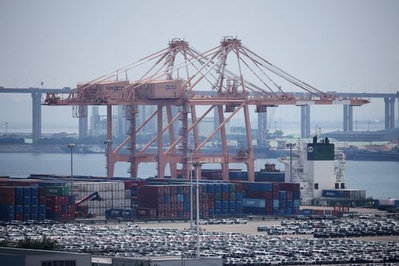
Seoul's trade officials are seeking to protect national economic interests as Washington weighs implementing duties that could impact bilateral supply chains.
Defending Supply Chain Integration
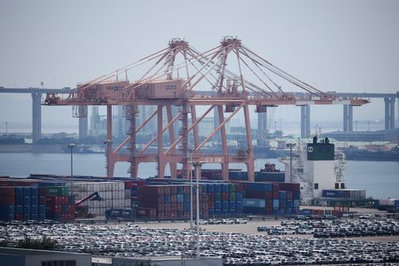
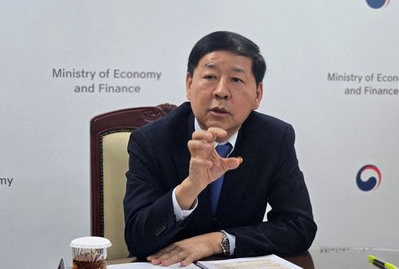
South Korea's Industry Ministry stated during preliminary consultations that excess industrial capacity does not apply to its domestic manufacturing base. Officials emphasized that Korean factories operate as an integral component of American supply chains.
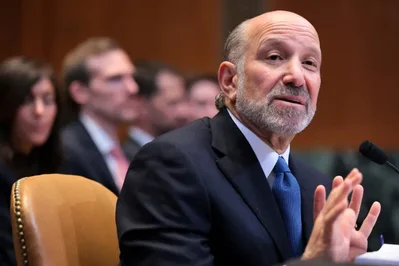
The U.S. Trade Representative outlined a baseline capped rate of 15%, which incorporates existing Most Favored Nation duties. However, officials warned that duties could climb to 25% depending on ongoing bilateral negotiations and the execution of prior trade agreements.
Previous Trade Commitments
Last year, Seoul and Washington finalized a trade pact designed to lower levies on South Korean exports from 25% down. That agreement was secured in exchange for a combined $350B investment package directed into American markets.
Trade ministers from both nations will evaluate the implementation of those commitments during upcoming diplomatic sessions.
South Korea's Industry Ministry will meet with U.S. trade officials on December 15 to review tariff thresholds and investment progress.