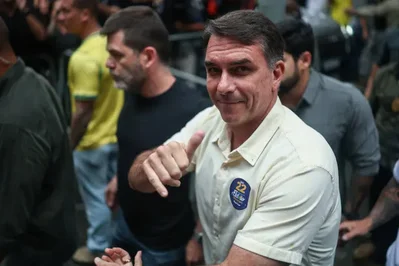
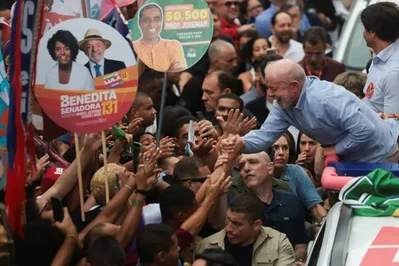
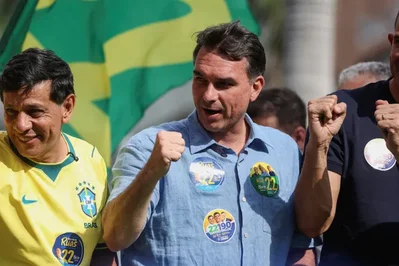
### Trade Tensions and Political Fallout The proposed Section 301 tariffs target alleged trade violations, including illegal deforestation and unfair electronic payment practices. President Luiz Inacio Lula da Silva accused the right-wing senator of triggering the measures following high-level meetings in Washington. A Quaest survey showed 47% of Brazilians agree with the president's accusation, while 35% support the senator’s version.
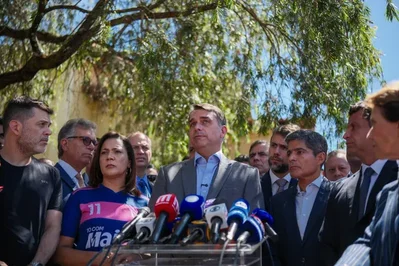
The younger Bolsonaro argued in a filing with the U.S. Trade Representative that immediate tariffs would provide a political victory for the current government. He proposed a 180-day suspension to allow the political landscape to stabilize. This request follows a period of increased U.S. engagement in Latin America, including recent support for candidates in Colombia and actions in Venezuela.
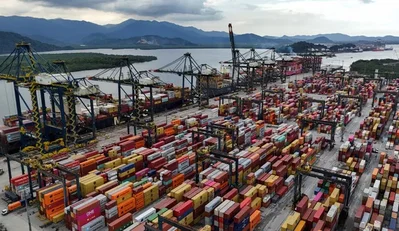
### Impact on Key Export Sectors While the 25% tariff is broad, the current proposal includes exemptions for critical Brazilian exports. Beef, coffee, rare earths, and aircraft parts are currently excluded from the potential levies. This provides a buffer for major exporters like JBS NV-A, MINERVA SA, and EMBRAER SA-SPON ADR.
Despite the senator's lobbying efforts, Washington has signaled resistance to a delay. Secretary of State Marco Rubio noted in a letter that the two nations maintain substantial differences regarding the issues used to justify the measures. The U.S. previously imposed steep tariffs on Brazilian products last year following legal proceedings against former President Jair Bolsonaro.
The United States will decide whether to implement the Section 301 tariffs by July 15.