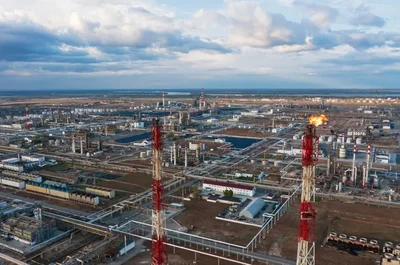
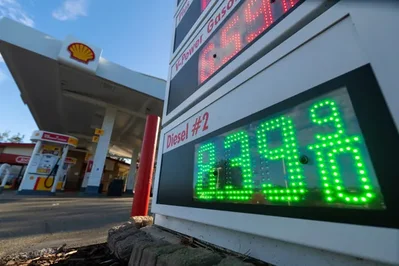
The production boost offers immediate relief to global diesel markets, where prices have fallen 5% to 6% following the announcement.
Export Capacity and Regional Flows
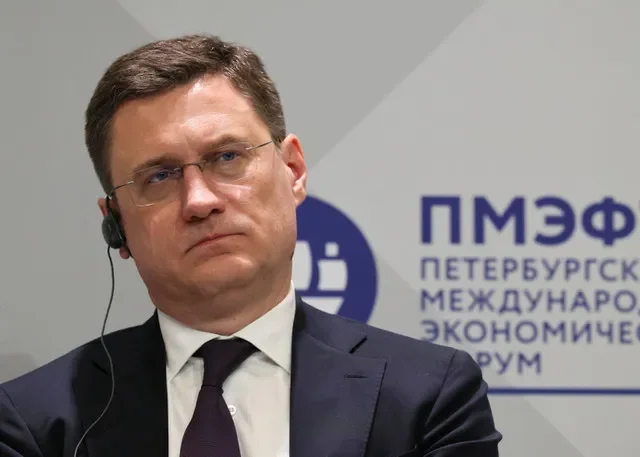
Deputy Prime Minister Alexander Novak said Monday that Russian production capacity remains robust despite extensive infrastructure damage from previous refinery strikes.
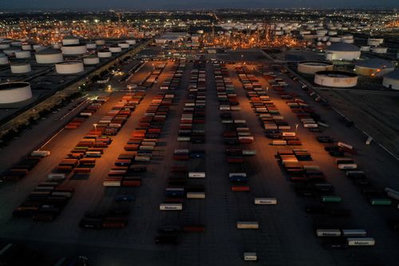
Monthly exports could reach 3.0 to 3.5 million metric tons by the end of the year, matching volumes recorded before the 2022 invasion. Moscow maintained limited deliveries to Central Asia during peak restrictions, shipping 427,000 metric tons in the previous month.
Global diesel pricing pressures have impacted transport operators across North America ahead of the November 3 midterm elections.
Diplomatic Pushback
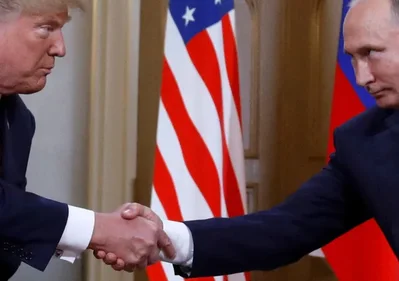
Administration officials defended the arrangement as a diplomatic mechanism to re-engage Moscow in peace talks following previous diplomatic failures.
Ukrainian President Volodymyr Zelenskiy rejected the framework on Monday, citing ongoing airstrikes against domestic energy infrastructure as evidence that Moscow remains committed to military escalation. Zelenskiy described the deal as a reversal of long-standing Western sanctions policy.
The deal with Washington provides Moscow with essential revenue while undermining years of coordinated economic isolation.
Novak also disputed Washington's valuation of Russian energy resources supplied to Europe since 2022, placing the actual figure at $320.7 billion rather than the $250 billion reported by U.S. officials.
The U.S. Energy Information Administration will release updated weekly petroleum inventory and consumption data on October 21.