Proposed US Tariffs Threaten Higher Sugar Prices

Proposed US tariffs on imported sugar aim to penalize major suppliers but risk driving up domestic consumer costs. Industry groups warn the measures will significantly increase expenses for food manufacturers.

Insights:
Xurve View
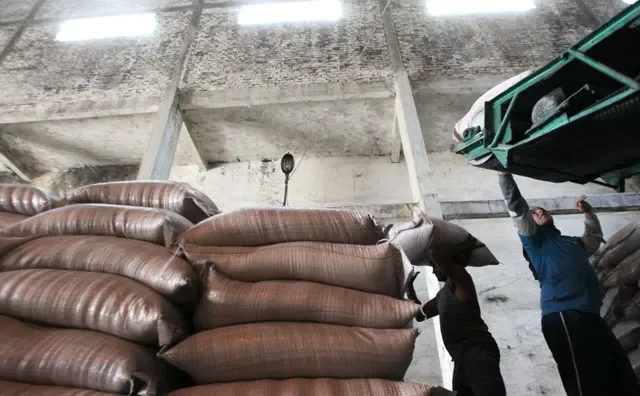
Workers carry bags of sugar at the sugar cane Paraiso plant in Campos dos Goytacazes in Rio de Janeiro state November 10, 2010. REUTERS/Sergio Moraes

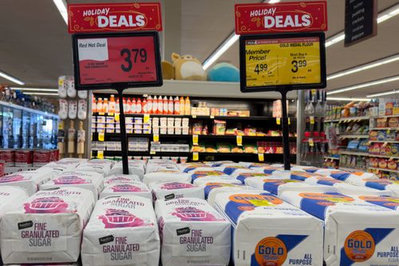
Proposed U.S. tariffs of $440 per metric ton on raw Sugar will likely raise domestic prices for food industries and consumers in the United States, analysts said on Wednesday afternoon. The policy targets Brazil, the world's largest exporter, but applies universally to prevent import surges from alternative suppliers. U.S. buyers will face out-of-quota rates equivalent to 193%, forcing local consumers to pay more than double the global benchmark price.

Tariff Structure and Market Impact

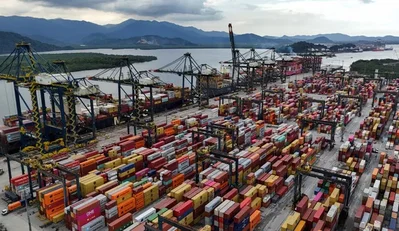
A cargo ship heading to Nigeria is loaded with sugar at Brazil’s main ocean port, Santos, Brazil, May 13, 2026. REUTERS/Alexandre Meneghini

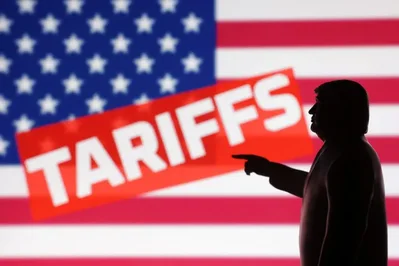
The administration aims to penalize political opponents in South America by taxing imports arriving outside the standard TRQ system. U.S. Trade Representative Jamieson Greer stated that universal duties are necessary to block other nations from backfilling the market. Imports from Mexico enter under special rates, while other nations face steep duties or restricted quotas.

StoneX analyst Marcelo Di Bonifácio Filho said the move will harm the American market far more than South American producers, noting that U.S. buyers already import minimal quantities out-of-quota from the region. The Sweetener Users Association warned that adding another layer of taxation will further inflate procurement costs for local manufacturers trying to meet steady demand.

Exchange Reactions and Global Disparities

March delivery contracts on the ICE exchange rose 14.65% on Wednesday afternoon to 45 cents per pound, reflecting anticipated supply tightening. Meanwhile, the broader benchmark price rose 3.9% to 18.34 cents per pound for global buyers. China, the world's largest importer, acquires supplies at the lower global rate, leaving American consumers paying more than double that baseline.

The U.S. Department of Agriculture will release updated supply and demand projections on December 10.

Assets in this story

Insightful questions