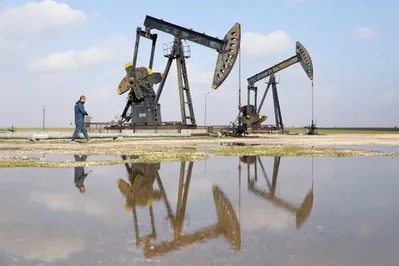
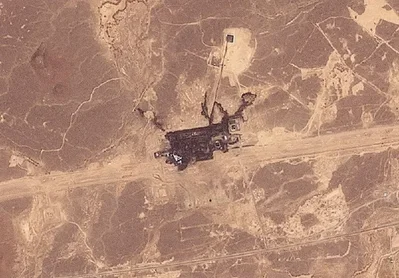
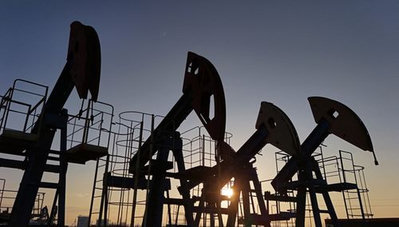
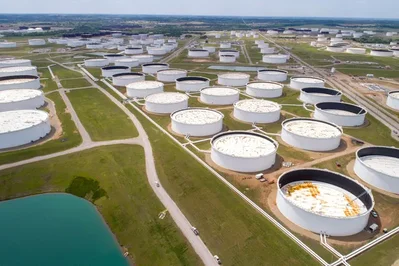
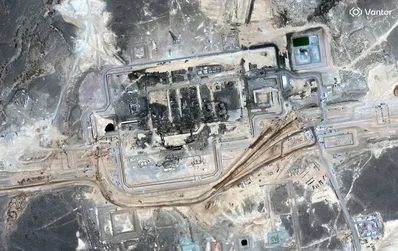
The attacks hit the Ras Tanura refinery on the kingdom's Gulf coast alongside Riyadh's financial district. The geopolitical risk premium has risen following the strikes, said Tamas Varga, an oil analyst at brokerage PVM. Traders are also covering short positions ahead of the United States Thanksgiving holiday, adding momentum to the rally.
Inventory Data and Output Policy Pressures
United States crude inventories rose by 126,000 barrels in the week ended November 20, according to data cited by market sources from the American Petroleum Institute, trailing the 1.5 million barrel build analysts had estimated. Meanwhile, uncertainty surrounds OPEC+'s November 29 policy meeting, particularly with the United Arab Emirates unrestricted by quotas and Iraq seeking higher output capacity.
Prices have also faced pressure from perceptions of a global supply glut following an International Energy Agency report, said Tsuyoshi Ueno, senior economist at NLI Research Institute. Iraq is pressing OPEC+ to lift its production capacity baseline, heightening tensions ahead of quotas for next year. In Libya, the Sharara pipeline reopened after an unlawful valve closure, restoring oil flow to the Akakus facility in Zawiya.
Ongoing Strait of Hormuz Disruptions
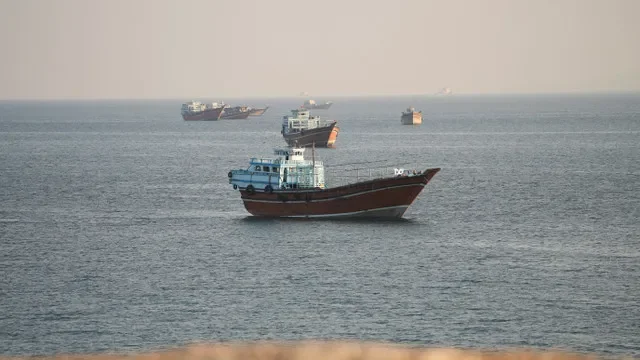
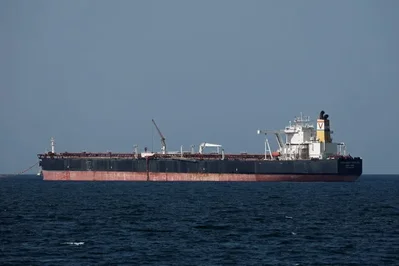
Attacks on vessels near the Strait of Hormuz continue to complicate the supply outlook. Iran's Revolutionary Guards reported that a container ship was targeted and stopped on Tuesday while sailing an unauthorized route near the strait. This followed an incident on Monday where three vessels were struck by unidentified projectiles while sailing east, per the United Kingdom Maritime Trade Operations.
OPEC+ ministers will hold a series of meetings on November 29 to decide on their 2027 output policy.