Supply Drivers and Regional Flows
Perceptions of a global supply glut have kept prices in check since the release of an International Energy Agency report this month, said Tsuyoshi Ueno, senior economist at NLI Research Institute. However, attacks on ships near the Strait of Hormuz and exchanges of attacks between Saudi Arabia and the Houthis have raised uncertainty over the sustainability of this trend, he noted.
Supply pressures are also easing in North Africa. Libya's Sharara oil pipeline reopened after an unlawful group closed a valve, with oil flowing into storage tanks at the Akakus facility in Zawiya, according to the National Oil Corporation chairperson.
Meanwhile, Iraq is pressing OPEC+ to lift its estimate of the country's crude production capacity, four people familiar with the matter said. The dispute intensifies tensions ahead of upcoming quota reviews.
Import Shifts and Transport Risks
China and India are on track for record Russian oil imports this year, plugging a supply gap caused by the Iran war, according to tanker data and industry sources. Russia continues to direct barrels toward Asian buyers amid changing trade routes.
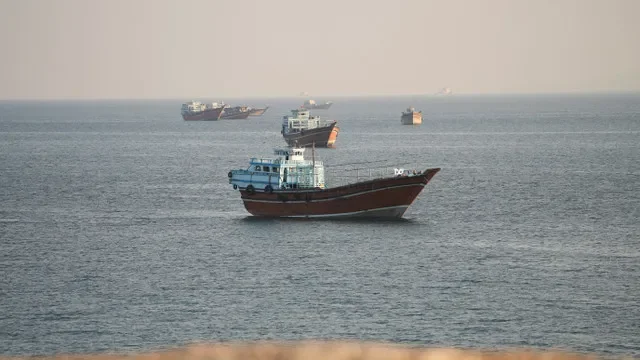
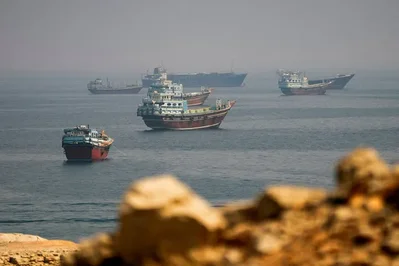
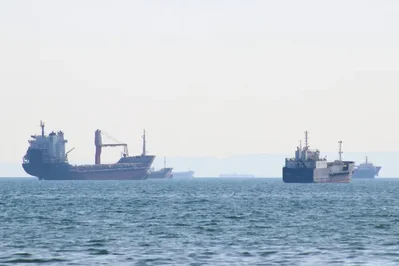
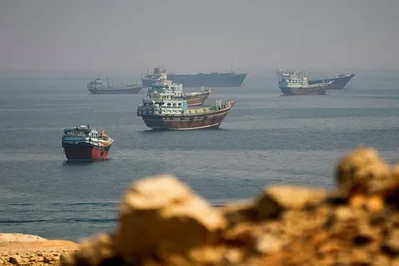
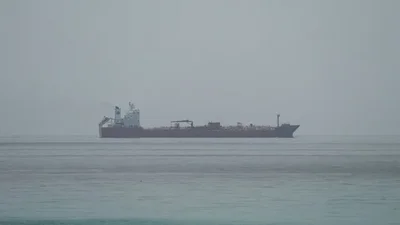
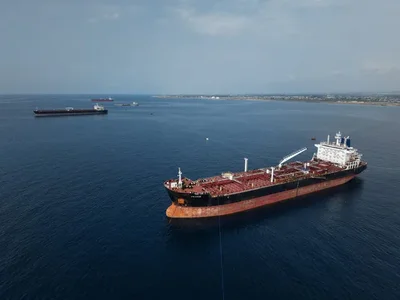
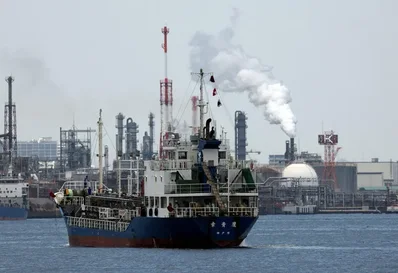
Transport risks remain elevated in key maritime chokepoints. A container ship was targeted while sailing an unauthorised route near the Strait of Hormuz, according to state media citing Iran's Revolutionary Guards. On Tuesday, the United Kingdom Maritime Trade Operations reported that three vessels were struck by unidentified projectiles on Monday while sailing east through the strait.
OPEC+ ministers will hold a series of meetings on November 29 to decide their 2027 output policy. United States crude stocks rose by 126,000 barrels in the week ended November 20, market sources said, citing American Petroleum Institute data.