Norse Atlantic Keeps Reduced Capacity Amid Fuel Costs

Norse Atlantic Airways maintained reduced capacity in September due to high fuel prices despite higher revenue. The airline transported 109202 passengers and is exploring a potential sale or merger.

Updated
Insights:
Xurve View
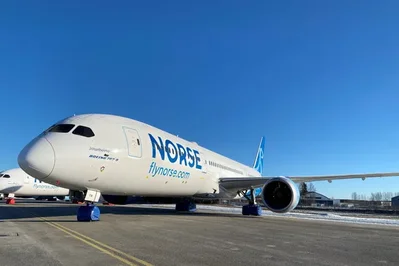
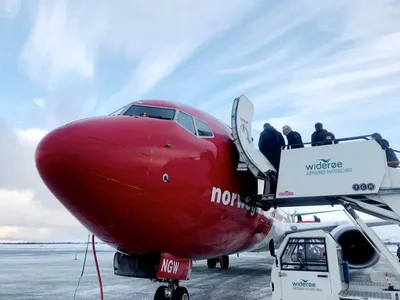
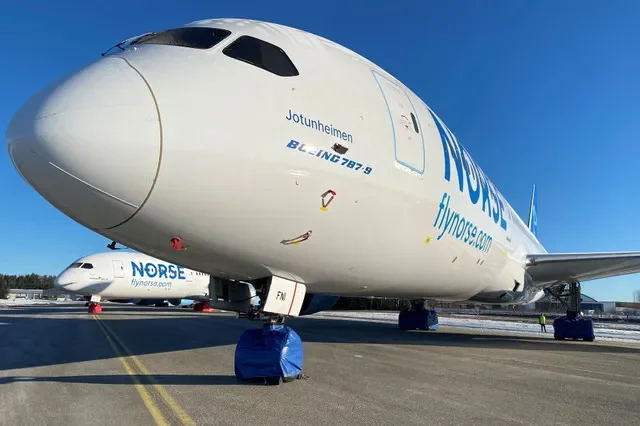
General view of Norse Atlantic Boeing 787 Dreamliner aircraft parked at Oslo (Gardermoen) Airport, Norway March 4, 2022.REUTERS/Victoria Klesty

Norse Atlantic Airways maintained reduced capacity through September as jet fuel prices weighed on the carrier, despite a 35% rise in unit revenue. The Norway-based long-haul budget carrier has lost 92% of its market value this year amid mounting margin pressures. Unhedged fuel costs threaten the carrier's business model as management explores a potential sale or merger.

Fleet Shifts and Strategic Pivot

The airline transported 109,202 passengers last month, down 33% from the prior year, while achieving a 96.9% load factor. Norse is in talks regarding lease agreements for BOEING CO 787 aircraft previously operated by INTERGLOBE AVIATION LTD ahead of returns in late October.

CEO Eivind Roald noted that the carrier is shifting booking focus toward Far East destinations. The airline has curtailed its network in the United States, leaving Orlando as its sole scheduled route from November.

Fuel Pressures and Market Outlook

Fuel prices more than doubled following the onset of conflict in Iran, squeezing aviation sector margins. Because Norse does not hedge its fuel exposure, the carrier remains vulnerable to commodity volatility.

There is no way around the fact that the current fuel environment is highly unsustainable for Norse, but we would expect a new ACMI deal to follow shortly. — Pareto Securities analyst Marcus Gavelli

Norse Atlantic Airways reports its full third-quarter traffic and financial results on November 14.

Assets in this story

Insightful questions