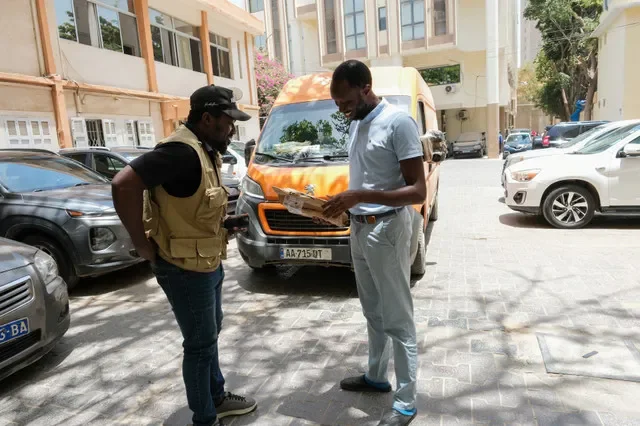
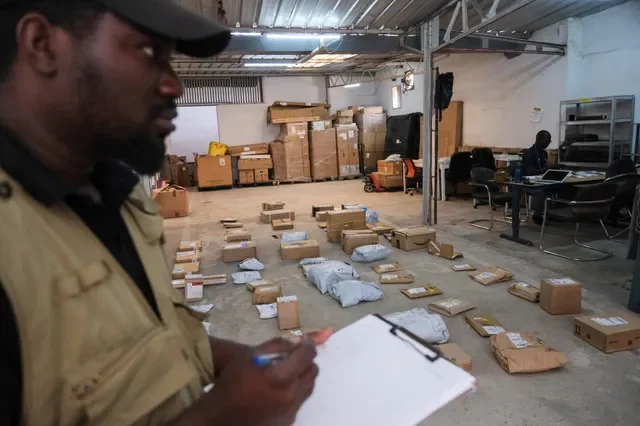
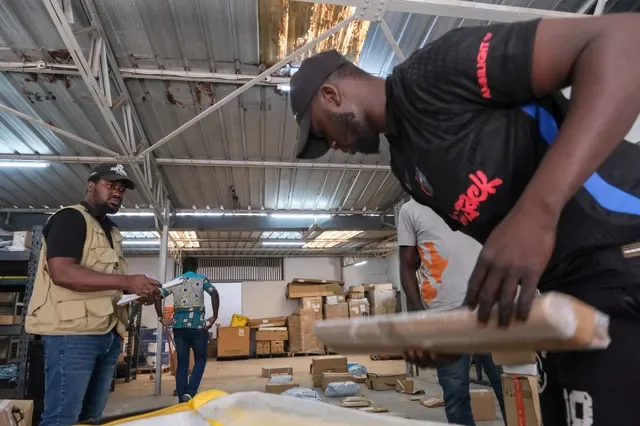
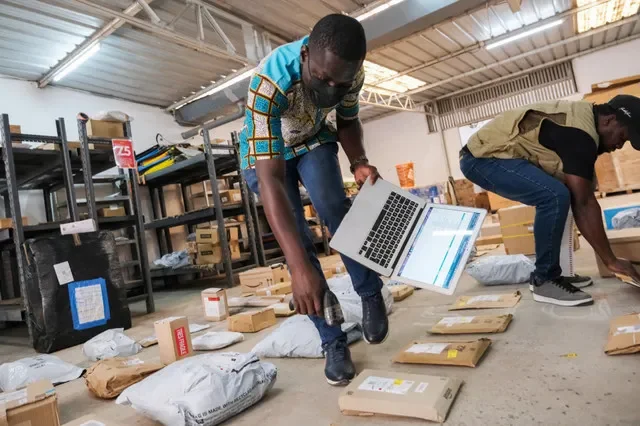
Customers pay through digital mobile money accounts, which are widely used across Africa instead of conventional banking. Once packages reach depots in cities like Dakar, final delivery is completed via motorbikes and vans using GPS. Afrety CEO Souane Diop said the company now moves up to five metric tons by air and three containers by sea weekly.
Global Logistics Giants Scale Up
ARAMEX PJSC is aggressively expanding its presence, identifying Sub-Saharan Africa as one of its fastest-growing regions. The company acquired MyUS in 2022 to bolster its "Shop and Ship" platform, which serves customers in difficult environments including Angola and Somalia. Aramex plans to double its revenue from these shipping services by 2030.
Demand is concentrated in electronics, apparel, and machinery, though growth remains tethered to major economic hubs. Tech Cabal Insights notes that while internet access is rising, only a fraction of users have the disposable income for international e-commerce. In Nigeria, the region's largest economy, only one in three internet users currently shops online.
Regional Leaders and Profitability Targets
South Africa remains the continent's most mature market, with online retail volumes growing 35% annually to approximately $7.26 billion by 2025, per MASTERCARD INC - A data. This growth led Amazon to launch its first dedicated marketplace there in 2024. Walmart also opened its first branded stores in Johannesburg last year to compete with local players.
JUMIA TECHNOLOGIES AG-ADR is defending its market share against Chinese rivals like Temu and Shein by expanding rural pick-up points. CEO Francis Dufay said Jumia expects to reach breakeven this year as business in Nigeria grew 50% in late 2025. The Nigerian government estimates the total domestic e-commerce market will reach $75 billion by 2025.
Jumia will release its next quarterly earnings report on August 12.