Conditions for an Energy Truce
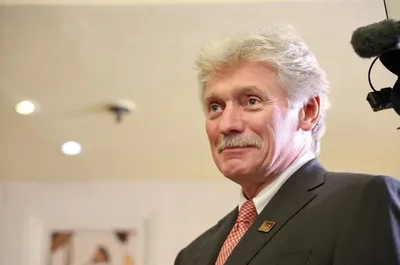
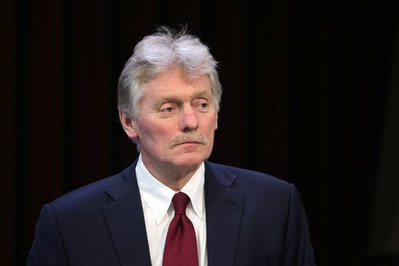
Kremlin spokesman Dmitry Peskov said during Tuesday's midday briefing that the proposal was a positive step, but insisted that broader concessions are required. Peskov stated that ensuring safe commercial shipping for oil tankers and removing restrictions on energy supplies are prerequisites for stabilizing global fuel prices.
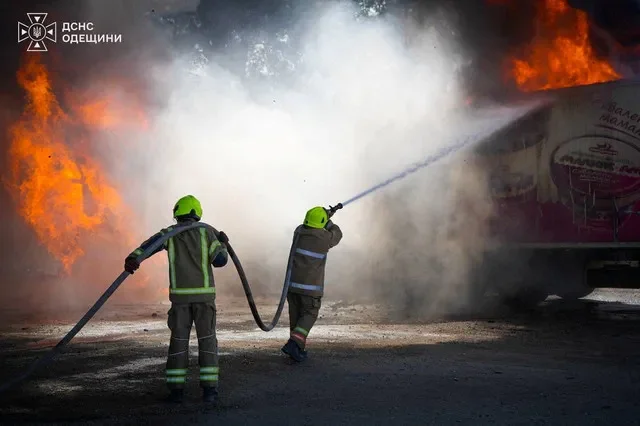
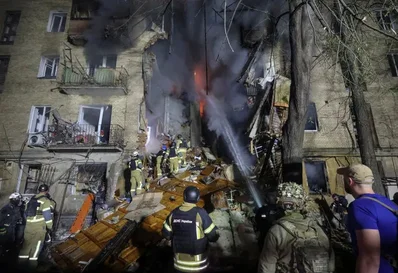
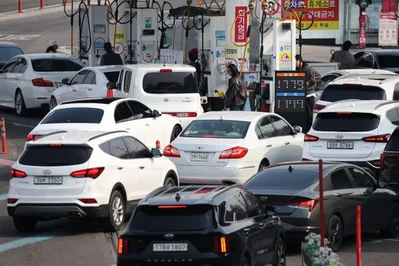
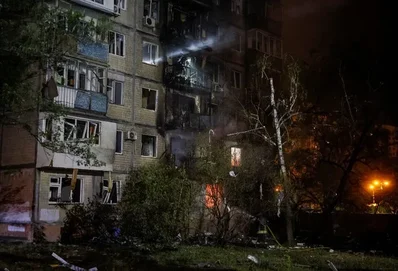
Ukrainian President Volodymyr Zelenskiy responded on Monday by stating that Kyiv would support an energy ceasefire only if Washington guarantees Moscow's commitment to ending the conflict. Both nations continue to target energy facilities, with Ukrainian strikes having caused a summer fuel shortage across Russian domestic markets.
Broader Market Pressures
Global fuel prices have faced sustained upward pressure following military actions in the Gulf earlier in the year. The closure of the Strait of Hormuz cut off a vital transit route for approximately one-fifth of global oil and gas supplies.
In addition to petroleum products, military escalations in the Black and Azov seas have affected agricultural shipments. Both Russia and Ukraine remain major global exporters of grain, leaving shipping lanes vulnerable to ongoing hostilities.
Officials from Moscow will maintain communication with American counterparts to discuss the framework of the proposed energy moratorium.
Representatives from the U.S. and Russia are scheduled to discuss the proposed energy infrastructure moratorium on September 22.