Miami Expansion vs. Manhattan Uncertainty
Citadel has revised its plans to expand its Miami office while internal discussions continue regarding a redevelopment project in Midtown Manhattan. Citadel Chief Operating Officer Gerald Beeson noted in an internal memo that firm principals paid nearly $2.3 billion in city and state taxes over five years.
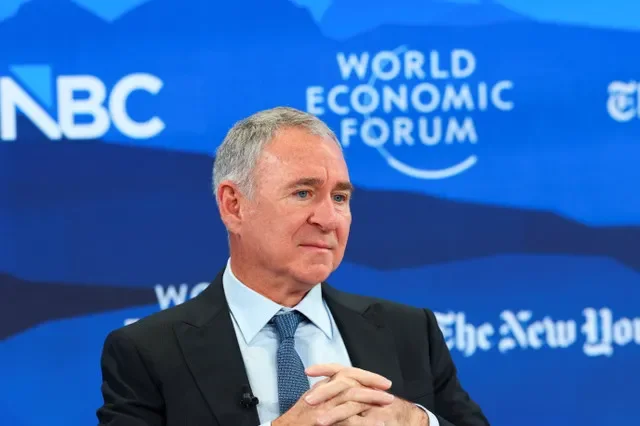
Pershing Square Capital CEO Bill Ackman warned at the conference on Monday midday that driving out high-net-worth individuals threatens the city's financial solvency. Starwood Capital Group CEO Barry Sternlicht added that Florida and Texas are winning jobs by investing in infrastructure rather than focusing on taxing the wealthy.
Valuation Gaps and Revenue Targets
Governor Kathy Hochul stated on April 15 that the tax would apply to roughly 13,000 properties in the United States financial capital. Real estate experts at Trepp estimate traditional assessed values often lag market prices by 10% to 30%. This gap could exempt many multi-million dollar properties from the $5 million threshold.
CoreLogic chief economist Selma Hepp found that using market value instead of assessed value increases the number of affected properties from 2,900 to 11,800. These properties represent just under $180 billion in total market value. Joe Calvello, the mayor's press secretary, maintained that meaningful tax reform is necessary for housing affordability.
### What to Watch New York City legislators are currently reviewing property valuation methods to finalize the $500 million revenue plan.