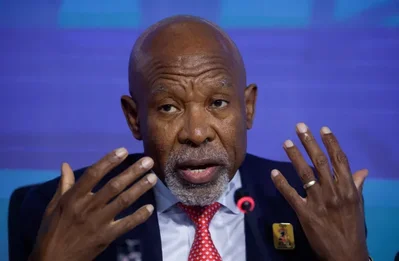
### Trade and Supply Chains Under Threat The severance of banking channels endangers the supply of food, fuel, and medicine, which primarily pass through Israeli ports. Palestinian Monetary Authority Governor Yahya Shunnar said these links underpin the livelihoods of millions and regional stability. Billions of shekels in cash currently remain frozen within Palestinian banks due to the mounting friction.
The Israeli finance ministry cited severe risks of money laundering and terrorism financing as the primary drivers for the exit. However, the United States and the United Kingdom have previously assessed that Palestinian counter-terrorism practices meet international standards. The U.S. Treasury has urged the maintenance of these ties to prevent an economic crisis that could compromise Israeli security.
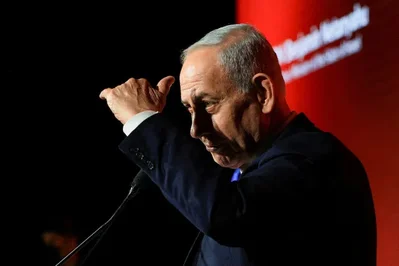
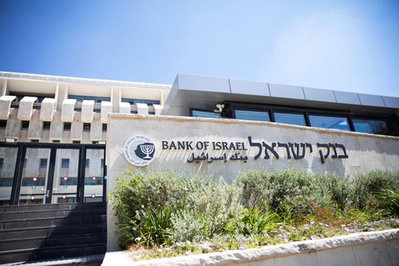
### The Waiver System Crisis Israeli banks currently operate under temporary waivers signed by Finance Minister Bezalel Smotrich to protect them from legal liability. Lenders have grown frustrated with the uncertainty of this mechanism and are demanding a permanent government solution. Israel Discount Bank stated it is prioritizing its responsibility to depositors and shareholders given the increasing risk environment.
The finance ministry is reportedly working with both banks to find a safe way to continue correspondent activities. Without a resolution, Palestinian lenders face total isolation from the Israeli financial system when the current waiver expires. This comes as the finance minister continues to withhold tax revenues collected on behalf of the Palestinian Authority.
Israel Discount Bank will halt its association with Palestinian lenders on September 1.