Investors face mounting risks as soaring consumer prices threaten domestic stability in the sanctions-hit energy exporter.
Navigating the Naval Blockade
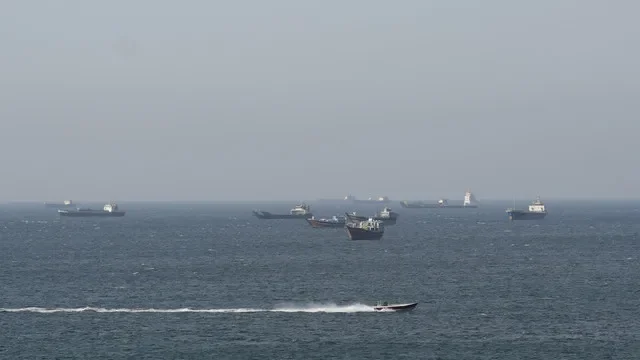
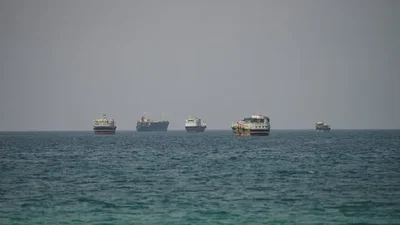
First Vice President Mohammad Reza Aref said during a Wednesday morning briefing that Tehran remains unconcerned by the blockade. He pointed to rising cargo clearances through alternative land borders and the Caspian Sea as evidence of trade resilience.
The increase in the unloading and clearance of goods through non-southern borders sends the message that we are not concerned about the enemys naval blockade, Mohammad Reza Aref said.
Aref added that strategic reserves remain robust, though he did not disclose specific inventory figures.
Curbing Extreme Inflation Pressures
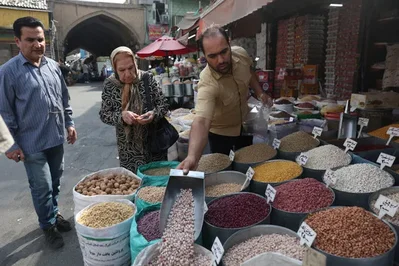
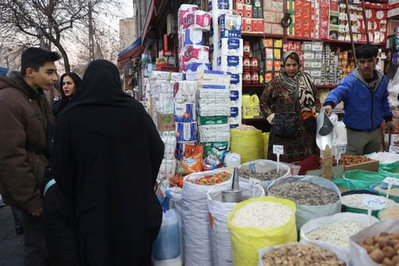
Consumer prices in October climbed 88.7% compared to the previous year, driven largely by food and beverage costs jumping 112.6%, per data from the Statistical Centre of Iran.
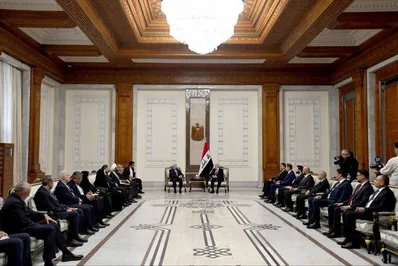
President Masoud Pezeshkian announced Wednesday afternoon that the administration is redirecting energy savings and budget resources toward lower-income households. Aref stated the government aims to freeze basic goods prices for a minimum of three months.
The Statistical Centre of Iran will release updated monthly inflation metrics on December 26.