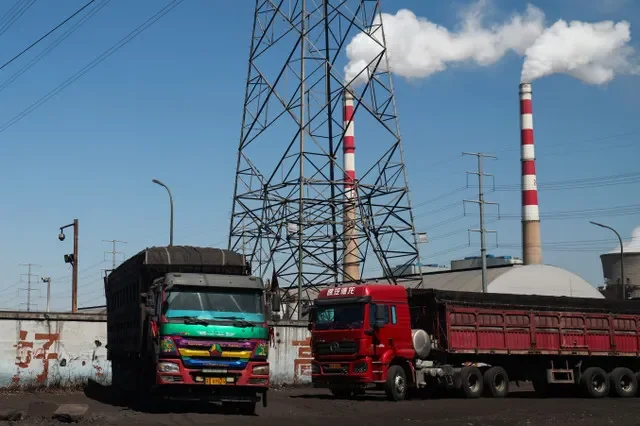
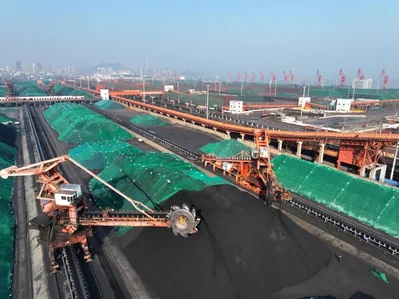
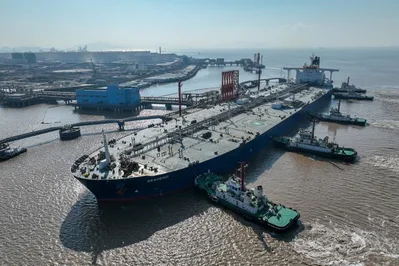
While the sector is growing, it remains small relative to total demand. In 2024, coal-derived fuels and chemicals replaced only 6% of the crude oil and Natural Gas imported by the country. However, the cost advantage of using domestic coal has boosted profit margins for producers compared to competitors using oil feedstocks.
Industrial Expansion in Ordos
The environment ministry recently approved a 22.1 billion yuan ($3.3 billion) coal-to-olefin project in Ordos. This facility will produce 800,000 metric tons per year of chemical building blocks used in plastics. Ordos already produces two-thirds of the regional coal supply, making it the primary hub for this industrial base.
The expansion comes as Brent Crude Oil prices remain volatile due to international conflict. By utilizing its massive coal reserves, the government seeks to create a price floor for industrial feedstocks. This shift provides a hedge against the rising costs of imported petroleum products.
Balancing Emissions and Renewables
The coal-to-liquid process is carbon-intensive, posing a challenge to national climate goals. Huang stated that the region is balancing coal utilization with renewable energy, which now accounts for 53% of its installed capacity. Government documents also suggest integrating green hydrogen into these chemical projects to lower their carbon footprint.
Clean energy advocates remain skeptical, warning that hydrogen integration should not justify further fossil fuel expansion. Despite these concerns, the immediate priority remains energy independence. Inner Mongolia currently produces more than a quarter of the national coal supply to support this transition.
The regional government will provide further updates on the Ordos project timeline on June 25.