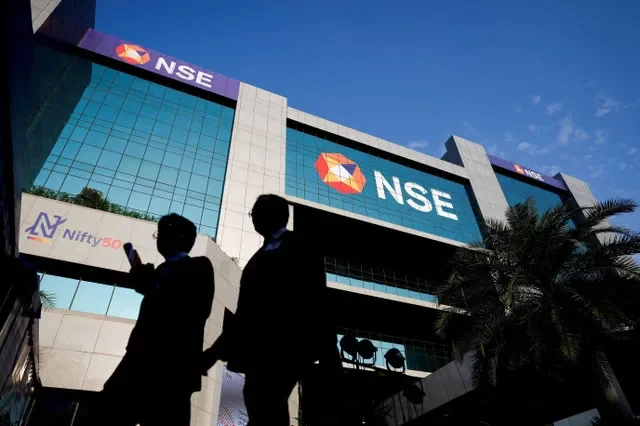
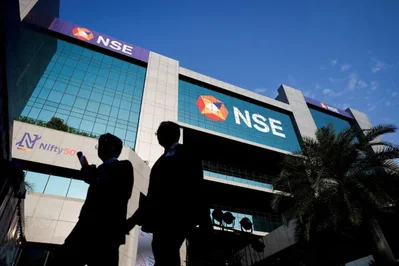
Foreign investors injected $14.28B into local shares this month, lifting the rupee by 2.7%.
Four primary drivers are fueling the shift: compelling valuations, nominal GDP support, turning macro tailwinds, and the decoupling of domestic earnings from global cycles, according to Abhay Laijawala, managing director and chief investment officer at Lighthouse Canton India.
Sector Performance and Oil Prices
Financials and IT led the broader advance, with 14 of 16 major sectors recording gains during the Wednesday midday session.
HDFC Bank Limited and ICICI Bank Ltd both jumped 3.5%, while Reliance Industries Limited added 2%. Brent Crude Oil futures fell 1.6% to below $90 per barrel, down 24% for the month on rising supply expectations.
Deal Fallout and Regional Divergence
Bucking the wider market surge, APL Apollo Tubes Ltd shares tumbled 15% following a steep 21.3% drop earlier in the week.
The decline follows a $3.47B acquisition agreement by Tata Steel Ltd to take control of the tube maker. Axis Capital downgraded the stock to sell from buy, citing elevated debt and competitive pressures.
Meanwhile, broader Asian markets struggled, with the MSCI Asia-Pacific index falling 2% amid renewed United States tariff risks.
The Indian economy is forecast to grow 7.6% in the July-September quarter, with corporate earnings hitting a four-year high for the period.