Supply Shocks and Regional Mismatches
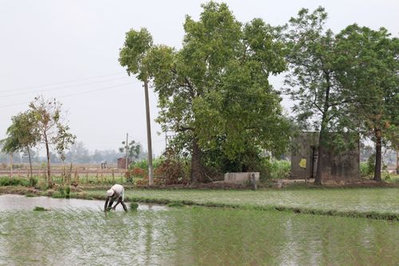
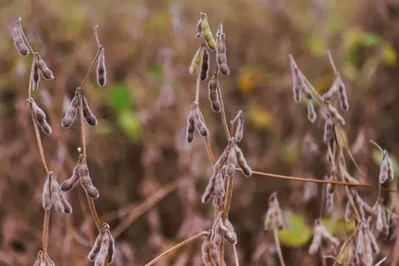
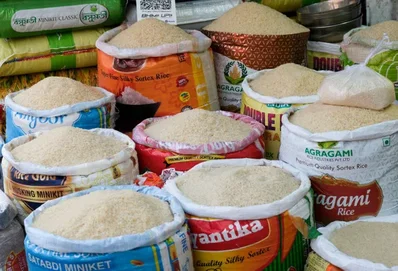
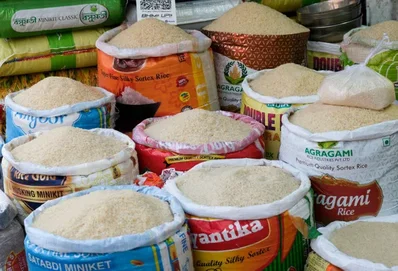
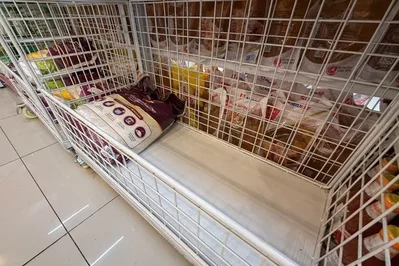
Production is on track to fall for the first time in a decade, marking the steepest decline in nearly 20 years after the lowest monsoon rain in more than a decade hit crops during the critical grain-maturity stage. Southern states bore the brunt of the deficit, severely impacting premium non-basmati varieties such as Seeraga Samba, Sona Masoori, HMT and BPT.
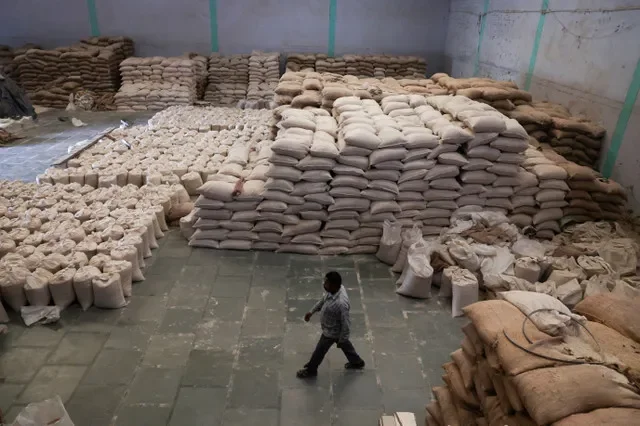
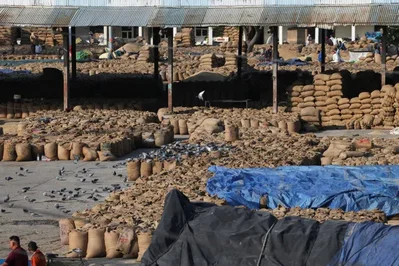
The 55.47 million metric tons in government reserves on October 1 sat at more than four times the buffer requirement. However, those massive stockpiles largely comprise common rice varieties that cannot substitute for the regional preferences in southern states, Rice Exporters Association President B.V. Krishna Rao said.
Alternative Demand Intensifies Competition
Demand for broken rice surged as poultry and cattle feed manufacturers alongside ethanol producers stepped up purchases. Corn prices hit record highs amid a production shortfall, and officials restricted Sugar diversion for ethanol, pushing these industries toward broken rice.
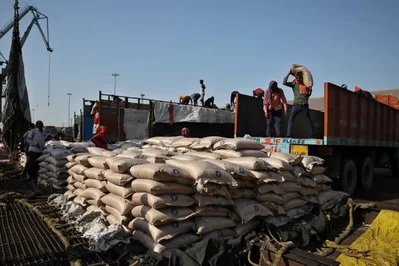
To cool retail costs, the government could impose a 20% export duty on non-basmati shipments, reintroduce a minimum export price, or prohibit exports of 100% broken rice. Officials also doubled their target to offer 5 million tons of state inventories to private buyers this month.
New Delhi could face competition from rivals such as Thailand, Vietnam and Pakistan if higher export taxes erode its price competitiveness overseas.
The government will release updated consumer price inflation data for November on December 12.