
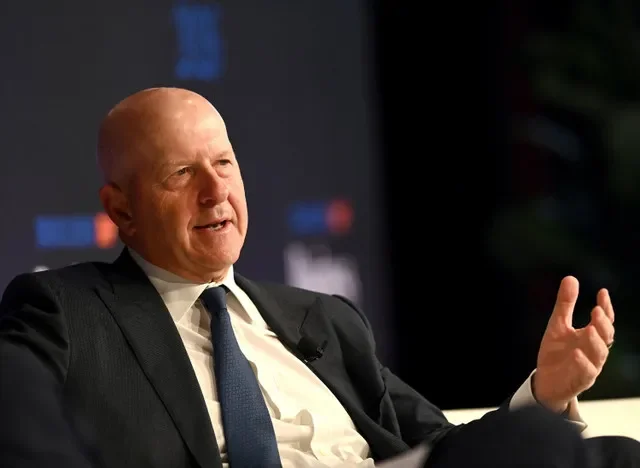
The Goldman Sachs Group, Inc. expects a significant resurgence in global merger and acquisition activity throughout the coming year, despite the geopolitical volatility stemming from recent military conflicts. In his annual letter to shareholders, Chief Executive Officer David Solomon expressed optimism regarding the dealmaking environment, even as the United States and Israel engage in military actions against Iran.
Goldman Sachs CEO expects M&A growth despite war
CEO David Solomon said AI investment and a balanced regulatory environment will drive dealmaking. He also called for a long-term reset in U.S.-China relations.
Insights:
Xurve View
While it is difficult to predict the broader economic effects of the military action by the U.S. and Israel against Iran, we still see the potential for a more constructive operating environment.
The Wall Street firm attributed the anticipated upswing to several key factors, including expected monetary easing, fiscal stimulus in developed markets, and massive capital allocations toward artificial intelligence technologies. Solomon also pointed to a more favorable regulatory climate in the U.S. as a catalyst for corporate confidence. Dealmakers have noted that the current administration's focus on faster transaction approvals has mitigated the anxieties felt by investors during previous years of intense regulatory oversight.
According to Solomon, corporate boards and CEOs are shifting toward a front-footed strategy, feeling more empowered to pursue large-scale strategic transactions. However, he warned that this momentum is not guaranteed if external pressures intensify.
We expect this upswing to continue though a protracted war or another exogenous event could, of course, change the current sentiment.
In addition to the M&A outlook, Solomon highlighted the urgent need for a long-term diplomatic reset between the U.S. and China. Although both nations have attempted to lower tensions, President Donald Trump recently postponed a high-profile meeting with Chinese President Xi Jinping due to the ongoing situation in the Middle East. Solomon stressed that the interconnectedness of the two economies necessitates a stable, multi-decade framework for cooperation.
Given how entwined they are, it is important that the U.S. and China reach a new modus vivendi, not just for the next 12 months, but rather for the next 10 to 20 years.
While Goldman Sachs believes a roadmap for productive dialogue is achievable, the bank noted that it remains uncertain whether these efforts will culminate in a formal, comprehensive agreement between the two global powers.