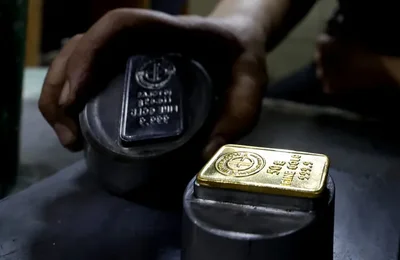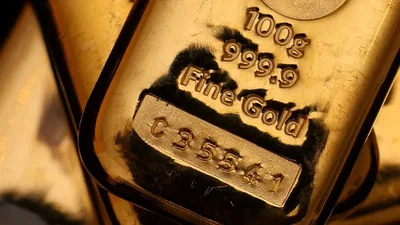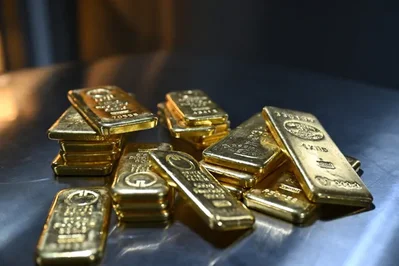

Acute volatility in the price of Gold (XAU/USD) is expected to persist in the short term as investors reduce risk exposure. The conflict involving Iran has intensified inflation fears and dampened hopes for imminent interest rate cuts, weighing on the global growth outlook. While gold is traditionally viewed as a long-term store of wealth, current market conditions are being shaped by immediate liquidity needs and shifting macroeconomic expectations. Since the start of hostilities on February 28, spot gold has dropped 15%, leaving it 22% below the record high of $5,595 reached in January. Although bullion serves as an inflation hedge, the prospect of rates staying higher for longer due to energy price spikes presents a significant hurdle for the non-interest-bearing asset. > Gold should do well in a stagflationary environment, it always has, but there may be more profit taking and liquidation first. John Reade, senior market strategist at the World Gold Council, noted that trades for 2025 are currently being unwound. Analysts at ANZ suggested that the initial price spike followed by a decline is consistent with previous shocks, such as when Russia invaded Ukraine in 2022, where liquidity requirements initially outweighed safe-haven demand. The fundamental support for gold remains intact despite the volatility. John Meyer, an analyst at SP Angel, pointed to rising G7 budget deficits and central bank reserve diversification as key long-term drivers. > The bigger picture remains intact: ballooning G7 budget deficits, sticky inflation and central bank foreign reserve diversification amid sustained deglobalisation. Market pressure was evident in Asia as stock markets in China experienced their largest tumble in a year, dragging gold to a four-month low of $4,098. Prices later recovered to $4,377 after the United States signaled a delay in potential strikes on energy infrastructure. Meanwhile, gold-backed exchange-traded funds have seen outflows of $7.9 billion, or 54.8 metric tons, since the Middle East conflict began, bringing total global holdings to 4,117.9 tons.
Gold prices fluctuate as Iran conflict enters fourth week
Spot gold hit a four-month low as the Iran conflict drives investors toward liquidity. Analysts expect volatility to persist despite strong long-term demand.
Insights:
Xurve View