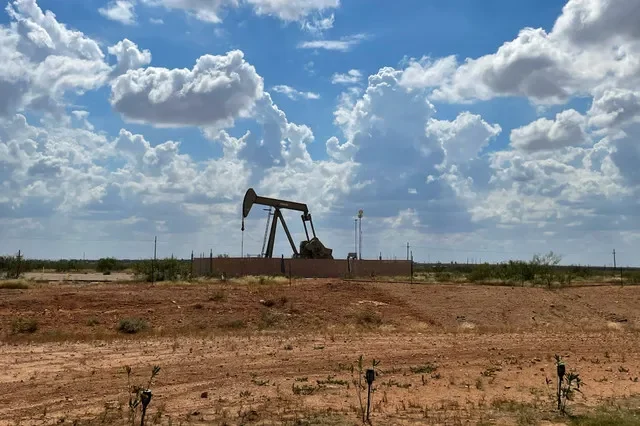


Global energy giants are pivotally returning to their core business: the search for new oil and gas reserves. Executives at the CERAWeek conference in Houston recently signaled an end to years of underinvestment in exploration, driven by the realization that production in the United States' Permian Basin is expected to plateau while global energy demand continues to rise. In recent years, the industry prioritized shareholder returns through dividends and buybacks, influenced by the shale boom and the rise of renewables. However, the depletion of existing fields and geopolitical instability—including the conflict involving Israel and Iran—have underscored the urgency of securing new resources. Francisco Gea, executive managing director at Repsol, S.A., noted that the industry must prioritize replacement strategies that were largely ignored five years ago.
But we need to start thinking about how we are going to replace the current production in the coming years.
The scale of the challenge is significant. According to Vicki Hollub, CEO of Occidental Petroleum Corporation, the industry has been replacing less than 25% of its annual production, a sharp decline from the mid-20th century when replacement rates were five times higher than production.