Global Airports Seek Private Funds for Upgrades

Global airports are turning to private investors to fund trillions in infrastructure upgrades as travel demand doubles. However, airlines and labor groups warn these partnerships could drive up fees and ticket prices.

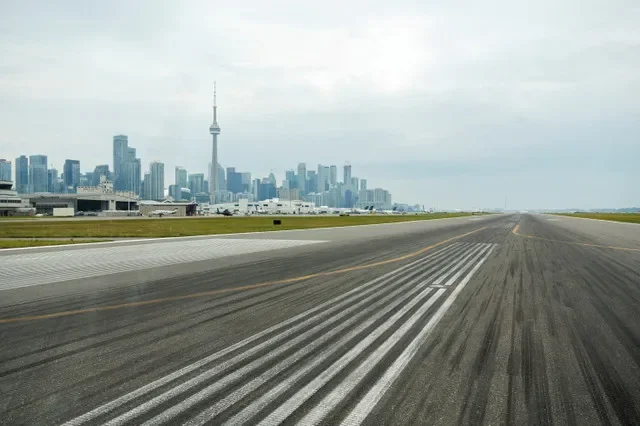
FILE PHOTO: A runway at Billy Bishop Toronto City Airport in Toronto, Ontario, Canada September 13, 2025.

Global airports need more than $4 trillion in infrastructure spending over the next 30 years, turning to private capital as passenger travel prepares to double by 2050. Tight public budgets leave aging terminals and control towers underfunded worldwide. Industry officials warn that private ventures risk pushing fees higher for airlines and travelers.

Private participation in airport operations has grown to 50% of global passengers, up from 41% a decade ago. Most funding targets brownfield projects that expand existing facilities with lower risk and steady cash flows.
Funding Pressures and Costs

Airlines and labor groups caution that private investors demand profits that ultimately land on ticket prices. In Canada, labor organizations flagged cost pressures seen in other markets seeking private backing for major hub airports. Australia experienced similar fee hikes decades after selling its major capital city airports to institutional investors, prompting calls for stronger regulatory oversight.

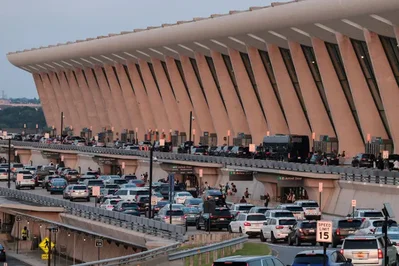
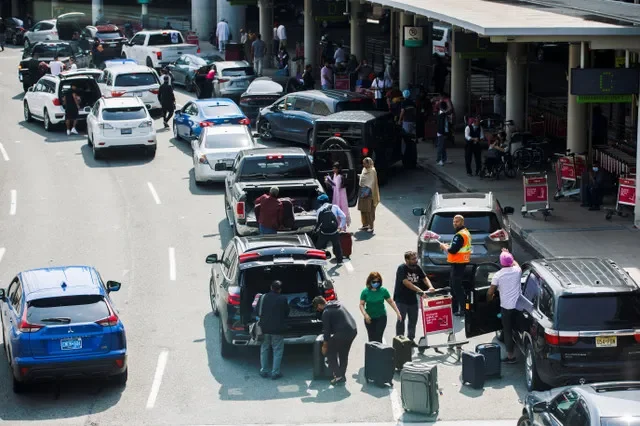
FILE PHOTO: Vehicles pick up travellers outside the arrivals terminal at the start of the Victoria Day holiday long weekend at Toronto Pearson International Airport in Mississauga, Ontario, Canada, May 20, 2022.

Emerging Markets Look to Private Partners

Developing aviation markets are also exploring private partnerships for brand-new infrastructure. Kazakhstan is negotiating with foreign investors to form a consortium for a new capital city airport in Astana, offering tax incentives while capping fees. Meanwhile, Indonesia state-owned holding company InJourney is evaluating its first private partnership across 35 managed airports, balancing foreign capital with strict national security oversight.

In Syria, private-sector investors are committing $1 billion to construct a new airport capable of handling 12 million passengers annually despite post-war risks. Elaf Investment Fund board member Ahmad BinDawood said the project aims to surprise skeptics as the region recovers.

The U.S. Federal Aviation Administration will release monthly air traffic data on December 15.

Insightful questions