Public funding for quantum technology reached €8.6 billion last year across the European Union. By comparison, public allocations totaled €5.3 billion in the United States and €13.6 billion in China over the same period.
Private investment tells a starkly different story. European venture funding for quantum startups lagged at €1.1 billion, trailing far behind the United States capital deployment of €7 billion.
Restricting Procurement Tenders
The proposed framework introduces strict safeguards for public contracts involving sensitive technologies.
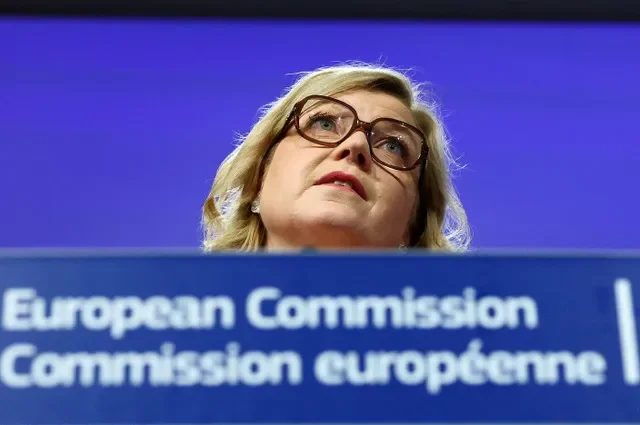
Quantum technologies will shape the future of industry, security and innovation, and they will have a profound impact on our societies. Europe needs to accelerate now, EU tech chief Henna Virkkunen said in a statement.
Procurement procedures will restrict participation to Union-controlled entities to protect strategic autonomy. Exceptions will apply only to third countries maintaining formal reciprocal partnership agreements with the bloc.
EU lawmakers and member state representatives will negotiate the final legislation over the coming months before it advances toward enactment.
The European Parliament and EU member states will review the draft legislation on February 28.