The Le Pen Threat to Bloc Finances
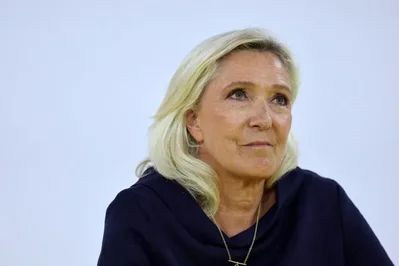
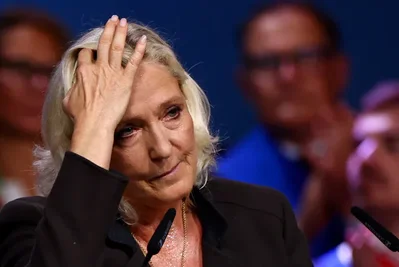
France contributes between €21 billion and €31 billion gross annually, making it the bloc's second-biggest net contributor behind Germany. Far-right leader Marine Le Pen has vowed to cap contributions at €5 billion per year and halt financial support for Ukraine against Russia's invasion. Because the budget requires unanimous approval, a single veto from a future French administration would send all 27 member states back to the drawing board.
Negotiators also face severe friction over the budget's overall size and demands for rebates from net contributors. Governments remain split over shifting funds toward research and technology to rival China and the United States versus maintaining traditional agricultural subsidies. Furthermore, financing €100 billion in loans for Kyiv alongside €55 billion to €65 billion in accrued interest presents a heavy burden for capitals facing high public debt.
Crunch Talks Approach
Germany insists that all 27 member states participate in a new €45 billion loan package for Kyiv, threatening to block the broader budget framework otherwise. Resistance from Hungary, Slovakia, and the Czech Republic further complicates the unanimous approval process required for joint borrowing initiatives.
Negotiators will reconvene on December 17 to address the funding deadlock before upcoming electoral cycles.