Navigating Sovereign Debt Pressures
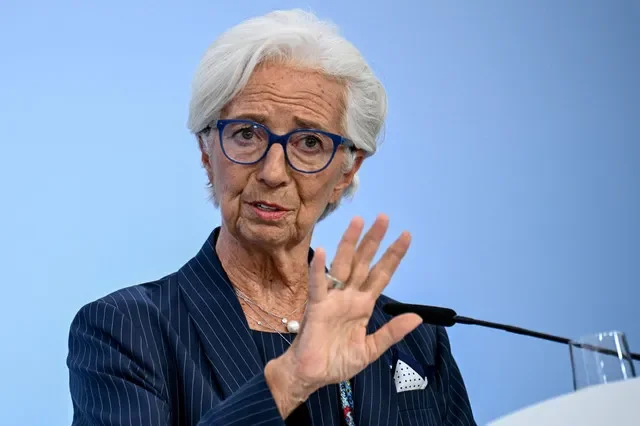
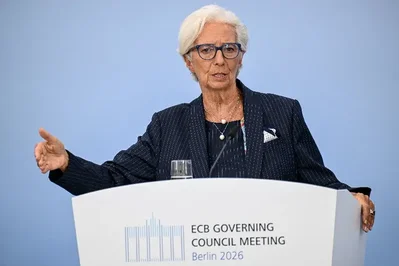
Market participants had spent weeks pricing in potential ECB intervention via the Transmission Protection Instrument, a crisis-fighting tool designed to address unwarranted market fragmentation across the euro zone. Speaking at a CNN event in Thailand during the annual meetings of the IMF and World Bank, Lagarde emphasized that domestic policy changes remain the primary remedy.
There are particular circumstances that lead to some countries being more affected, France being a case in point, and for that one, the primary and first solution lies at home in France, and it has to do with fiscal policies.
Monitoring Inflation and Growth Drivers
Turning to monetary policy, Lagarde noted that elevated inflation across the currency bloc has been driven predominantly by energy price surges stemming from conflict involving Iran . While second-round wage pressures remain unconfirmed, the ECB continues to monitor trade union demands closely.
The ECB has raised rates twice in the past four months, with another adjustment anticipated in December. Meanwhile, the IMF projects euro zone GDP to grow 1.1% this year, supported by ongoing public infrastructure and military spending in Germany .
The ECB Governing Council meets on December 10 to decide on interest rates.