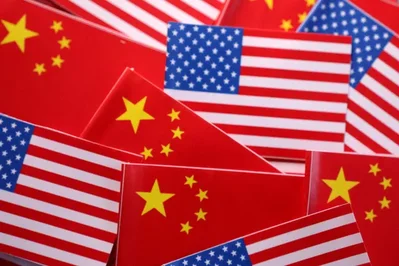
The bipartisan MATCH Act currently negotiated in Congress would force allies including the Netherlands and Japan to adopt stricter export controls or face unilateral Washington restrictions.
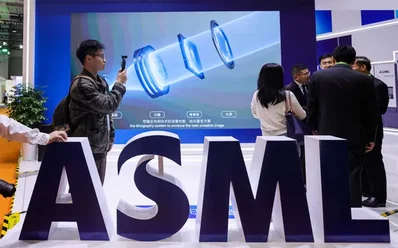
The legislation threatens the semiconductor equipment sector, notably ASML HOLDING NV—Europe's most valuable listed company—which expects China to account for 20% of sales this year.
Wider European Fallout
Sjoerdsma told lawmakers in the Dutch parliament that the fallout would extend across the European Union, creating a damaging precedent for regional trade independence. He noted that Europe cannot afford to fall behind amid rapid developments in AI and critical technology sectors.
The Dutch government is actively lobbying alongside Germany and France to prevent the amendment from attaching to the annual defense policy bill.
We will not simply be told what to do. If the act is adopted, our message to the US administration will be to not enforce it.
Exploring Bilateral Options
Should current lobbying efforts fail, Amsterdam and Brussels are preparing alternative measures to limit economic fallout. Officials plan to examine both bilateral and European-level instruments to counter potential enforcement.
The U.S. Congress meets on December 15 to discuss final adjustments to the annual defense policy bill.