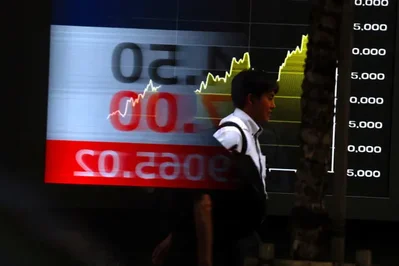
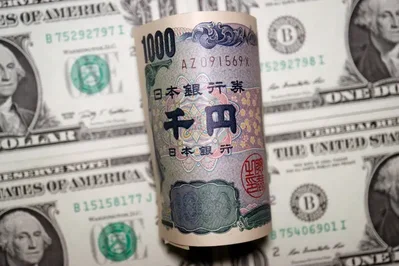
The euro fell 0.2% to $1.0942 against the greenback, representing the EUR/USD pair. In Japan, the yen strengthened 0.01% to 159.2 per dollar in the USD/JPY market. Against the Switzerland franc, the dollar weakened 0.55% to 0.831 in USD/CHF trading, reflecting demand for defensive assets.
Australian Dollar Leads Declines
“If you look at the spillover impact in FX, you can see that the Australian dollar has been hit the hardest by the selloff in risk assets,” said Lee Hardman, senior currency analyst at MUFG.
The Australia currency fell 0.83% to $0.6582 in AUD/USD transactions, marking its lowest level of the year. Traditional defensive assets, including the Swiss franc and the U.S. dollar, outperformed during the overnight session.
Inflation and Rate Expectations
The Personal Consumption Expenditures Price Index increased 0.3% in October following a 0.5% gain in September. Core PCE also rose 0.3% over the month.
Traders are monitoring the Federal Reserve's path for interest rates as the U.S. yield curve between 2- and 5-year Treasury notes flattens to 2 basis points. China officials rejected U.S. tariff proposals aimed at industrial overcapacity, while bitcoin fell 3.55% to $57,726.
The Federal Reserve will release its next interest rate decision on December 18.