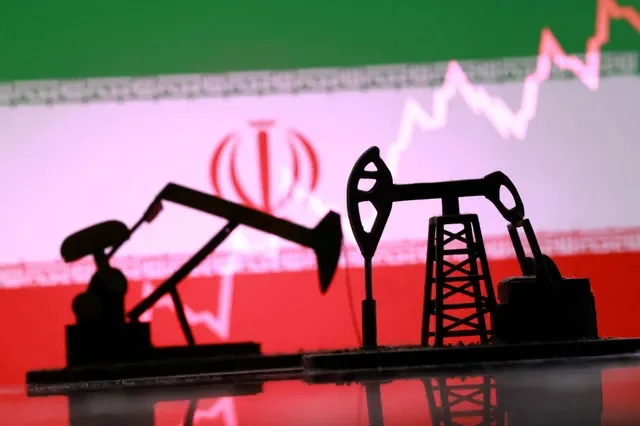
Market analysts suggest that the limited gains for energy giants like Shell plc reflect expectations that any immediate benefits from increased prices will be temporary or offset by reduced production. James West, head of energy and power research at Melius Research, noted that the market is anticipating a swift resolution to the closure of the Strait of Hormuz and a subsequent return to normalized price levels.
\"The market is anticipating a swift end to the closure of the Strait of Hormuz and a subsequent collapse in oil prices back to normalized levels.\"
The current rally is primarily concentrated in near-term spot prices rather than longer-dated crude oil futures. Brent crude and U.S. West Texas Intermediate futures rose approximately 30% at the start of the week as the conflict disrupted Middle Eastern exports and forced production stoppages. This price action mirrors the volatility seen in 2008, when Brent reached nearly $147 per barrel before crashing below $40 just months later. During that period, demand growth in China and other emerging economies was expected to sustain high prices, but the global financial crisis triggered a sharp correction.
David Hewitt, senior consultant at Hewitt Energy Perspectives, highlighted the historical disconnect between commodity prices and equity values during extreme market peaks.
\"Oil stocks followed crudes rally until about $100 then almost completely disconnected as it went to $147.\"
While Shell shares rose 4.9% since late February, other majors saw even smaller movements, with Chevron gaining 2.6% and Exxon Mobil rising 0.9%. BP recorded a gain of 7.8%. Portfolio managers suggest that because deferred oil contracts are not as high as the spot price, investors do not expect the supply disruption to last.
In contrast, U.S. shale producers have outperformed global majors. Diamondback Energy, Inc., the largest independent producer in the Permian Basin, saw its shares rise as much as 7% on Monday. Analysts attribute this outperformance to the perceived safety of energy infrastructure within the United States, which remains insulated from the direct risks of the conflict. Simon Wong of Gabelli Funds noted that while some independent producers are beginning to catch up, the prevailing sentiment remains that higher crude prices will moderate once regional disruptions subside.