Feedstock Pressures and Regional Shifts
Middle East conflicts involving the United States, Israel, and Iran previously disrupted petrochemical shipments through the Strait of Hormuz.
Operating rates fell across Japan, South Korea, and Singapore, forcing buyers in Indonesia, India, and Vietnam to seek alternative supplies.
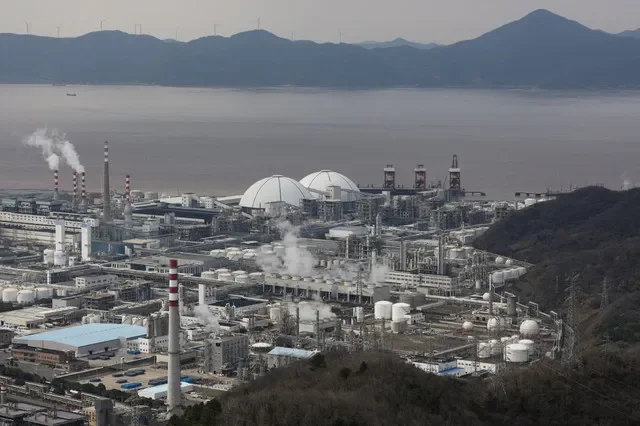
Domestic producers capitalized on cheaper ethane and coal-based operations during the spring surge. NINGXIA BAOFENG ENERGY GRO-A reported higher olefin export volumes with selling prices exceeding domestic levels by 12%.
Meanwhile, PETROCHINA CO LTD-H noted that polypropylene exports at its northeast chemicals sales unit tripled during the first four months of the year.
Limited Long-Term Relief
Export margins compressed in the second half of the year as prewar inventories emptied and feedstock expenses rose.
JLC analyst Yuxing Wang said exports helped reduce domestic inventory but could not rebalance the market independently.
Projections point to modest annual export growth of 7 million to 10 million tons over the next two years, keeping the country a net exporter while reducing polyethylene import dependence to between 20% and 25%.
China's customs administration will release trade data for November on December 8.