China Electric Taxi Boom Reduces National Oil Dependency

China is utilizing its massive fleet of electric taxis and rideshare vehicles to insulate the economy from rising oil prices. May data shows gasoline consumption fell 10 percent as commuters shifted from private petrol cars to affordable electric transport options.

Insights:
Xurve View
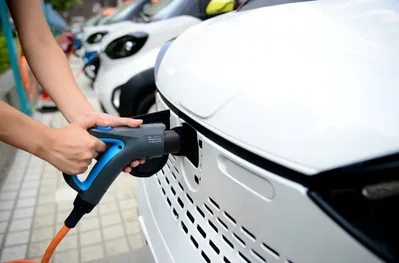
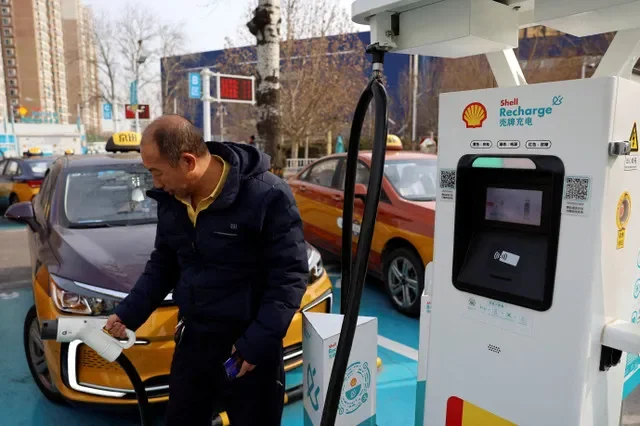
A man holds a charging plug to charge a taxi at a Shell electric vehicle (EV) charging station in Beijing, China February 2, 2024. REUTERS/Florence Lo/File Photo

China is leveraging a surge in electric taxi and rideshare usage to insulate its economy from global oil price volatility. Trips rose 6% between March and May compared to the previous year, totaling 3.05 billion journeys in May alone. This shift reduces Chinese dependence on crude imports, creating a structural buffer against supply shocks in the Middle East.

### Falling Fares Drive Passenger Shift A unique combination of a slowing economy and low-cost electric vehicles (EVs) is pushing taxi fares down even as gasoline prices climb. Analysts at the Ministry of Transport note that a surplus of new drivers entering the market has intensified competition, making hired transport cheaper than operating a private petrol car.

One Beijing driver noted that fares have dropped between 10% and 15% over the last six months. This pricing pressure is attracting middle-class commuters who are abandoning their own vehicles to avoid high fuel and parking costs.
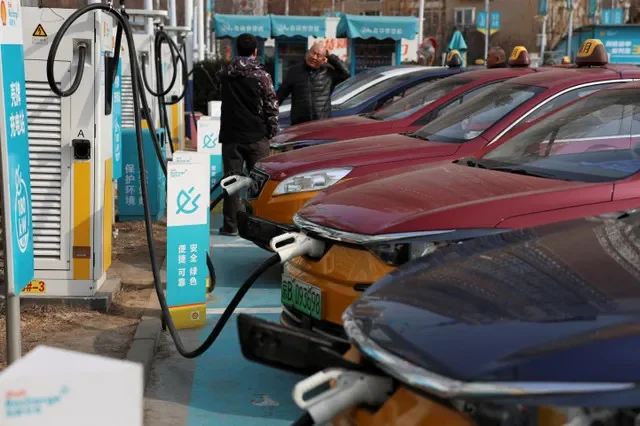
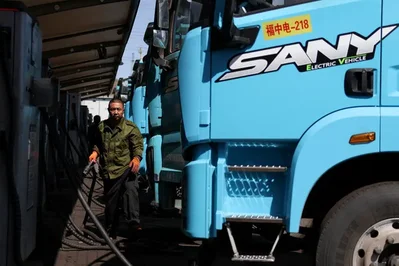
Drivers chat next to taxis charging at a Shell electric vehicle (EV) charging station in Beijing, China February 2, 2024. REUTERS/Florence Lo/File Photo

### Decoupling Transport from Fossil Fuels The electrification of the transport sector is directly impacting national energy data. Didi Global Inc reported adding 2 million hybrid or electric cars to its platform last year, bringing its green fleet to 8 million vehicles. EVs now account for 75% of all mileage on the platform.

As a result, gasoline consumption fell 10% and diesel use dropped 14% in May compared to the prior year. This decline occurred despite a 2% increase in road freight and record-high travel during the May Day holiday. This trend suggests the transport sector is becoming less sensitive to price swings in Brent Crude Oil or West Texas Oil.

### Long-Term Impact on Global Energy Markets China reduced its oil imports by 41% in June compared to last year without significantly drawing down its strategic reserves. By lowering its domestic demand, China has inadvertently eased pressure on global supplies constrained by the war involving Iran.

JPMorgan Chase & Co analyst Natasha Kaneva stated in a July 2 note that the conflict may have accelerated a permanent behavioral shift. The bank forecasts that gasoline demand will continue to decline by 50,000 barrels per day in 2027. Greenpeace expects 90% of all taxi and rideshare mileage in the country to be electric by 2035.

J.P. Morgan will release updated global energy demand forecasts on July 20.

Assets in this story

Insightful questions