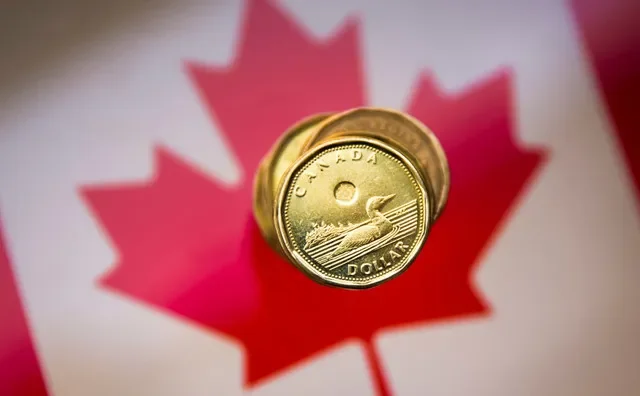
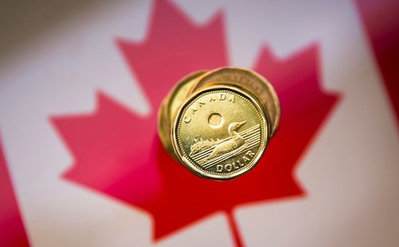
Erik Bregar, director of FX and precious metals risk management at Silver Gold Bull, noted that the currency is currently tracking broader market trends rather than isolated volatility.
"Youve seen big swings in broader risk sentiment."
"The Canadian dollar is behaving a little more rationally ... Its not showing the same volatility profile of metals, or stocks or bonds."
Market sentiment improved as the safe-haven United States dollar retreated against a basket of major currencies. This followed reports that the U.S. administration would delay actions against the energy infrastructure of Iran after constructive diplomatic talks.
While the currency recovered, the price of oil—a critical export for Canada—settled 10.3% lower at $88.13 a barrel. This drop eased immediate concerns regarding energy-driven inflation, which has been a focal point for global central banks. Large multinational firms, including the Colgate-Palmolive Company, continue to watch these currency and commodity shifts closely as they impact global operating costs.
Money markets have adjusted their expectations, now pricing in at least two interest rate hikes by the Bank of Canada this year. However, Bregar cautioned against overinterpreting short-term bond market movements.
"The short end of a lot of bond market curves is overreacting."
"I dont think any central bank is going to react impulsively to rising prices for one month or two."
Recent data from the U.S. Commodity Futures Trading Commission showed a significant retreat in bullish sentiment toward the loonie. Non-commercial net-long positions plummeted to 886 contracts as of March 17, down from 36,159 in the preceding week. Meanwhile, Canadian government bond yields fell across a steeper curve, with the 2-year yield dropping 14 basis points to 2.927%.