Brazil updates meat inspections for EU trade compliance

The Agriculture Ministry has started implementing new inspection procedures for meat production to address European Union regulations on antimicrobial substances. These measures aim to prevent a potential ban on beef and poultry imports scheduled to take effect in September.

Insights:
Xurve View
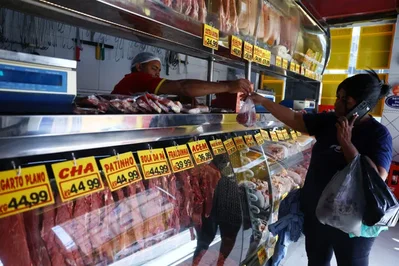
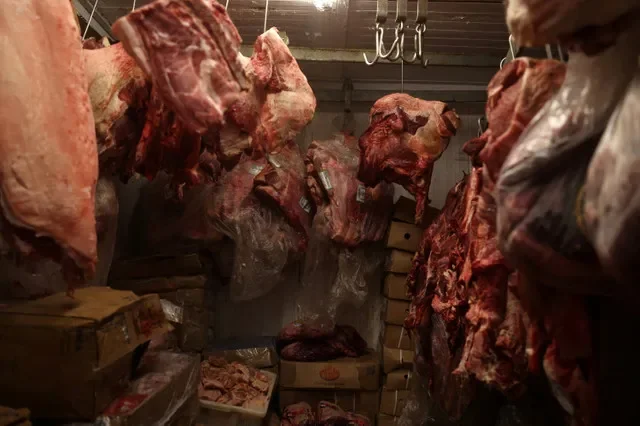
Pieces of meat are stocked inside a refrigerator at a butcher shop in Rio de Janeiro, Brazil July 31, 2025. REUTERS/Pilar Olivares

Brazil has launched new inspection procedures for meat production to meet European Union trade requirements, according to a report by Globo Rural on Thursday. The Agriculture Ministry issued the directive to federal auditors to prevent a potential import ban on beef, poultry, and eggs. Maintaining EU market access is critical for major exporters like MINERVA SA that rely on high-value international trade.

New Rules Target Antimicrobial Use

The regulatory shift follows an announcement in May regarding strict EU rules on antimicrobial substances in food-producing animals. Brazil aims to align its production standards with these requirements before a September deadline. The new inspection protocols cover both raw meat and processed meat derivatives destined for European markets.

Agriculture Ministry officials sent a formal document to federal auditors detailing the specific inspection changes. These measures are designed to ensure that Brazilian animal products do not contain prohibited substances. The EU remains a primary destination for premium Brazilian agricultural exports, making compliance a top priority for the government.

Avoiding September Trade Disruptions

The potential ban would impact a wide range of products including live animals and egg exports. Brazil is currently the world's largest beef exporter, and any disruption to European trade routes could shift global supply dynamics. The Agriculture Ministry did not immediately respond to requests for comment on the implementation timeline.

Brazil will face the new EU trade restrictions starting in September.

Assets in this story

Insightful questions