BoE Sees Lower Inflation Peak if Energy Prices Hold

Bank of England Governor Andrew Bailey told lawmakers that British inflation could peak below recent forecasts if international energy prices remain stable. He noted the economy has shown resilience while food price inflation is expected to rise next year.

Insights:
Xurve View
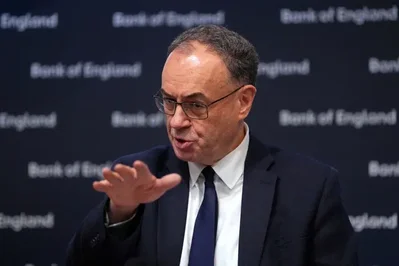
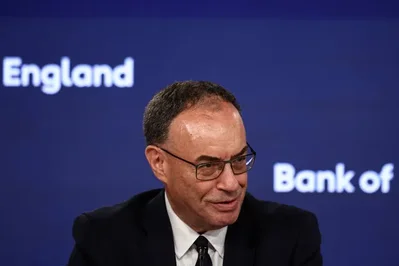
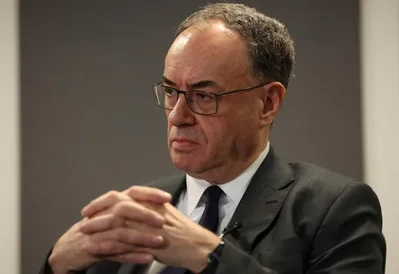
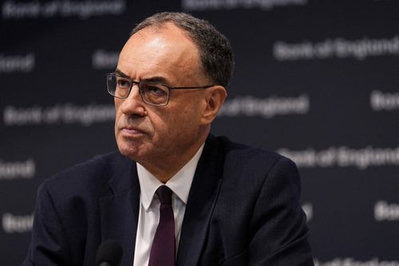
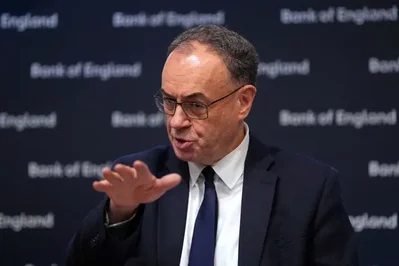
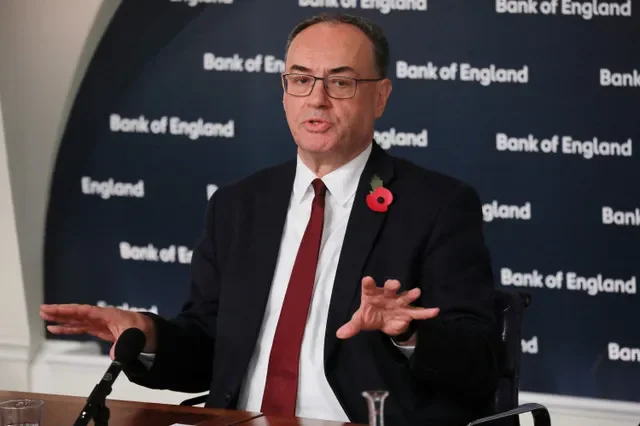
Bank of England (BOE) Governor Andrew Bailey gestures as he speaks during the Bank of England Monetary Policy Report press conference at the Bank Of England, in London, Britain, November 5, 2026. Alishia Abodunde/Pool via REUTERS

United Kingdom inflation could peak below the central bank's projected 5% if international energy costs hold steady, Bank of England Governor Andrew Bailey said on Wednesday afternoon. The downward revision follows recent declines in Brent Crude Oil and Natural Gas markets. Lower energy futures could ease cost-of-living pressures for households across the country next year.

Speaking to lawmakers on the Treasury Committee during an afternoon session, Bailey noted that recent commodity price drops mechanically pull down the inflation peak previously forecast on November 5. Officials also noted that domestic economic resilience and a stabilizing labor market will factor into upcoming policy adjustments.

Food Inflation Pressures Persist

While energy markets offer relief, broader consumer pressures remain evident across the domestic economy. Deputy Governor Clare Lombardelli told the committee during the afternoon hearing that food price inflation is expected to climb to 5% next year.

The central bank continues to weigh these competing economic forces as it prepares its updated macroeconomic projections. Policymakers must balance stabilizing employment figures against stubborn retail food costs.

The Office for National Statistics will release the next consumer price index figures on December 16.

Assets in this story

Insightful questions