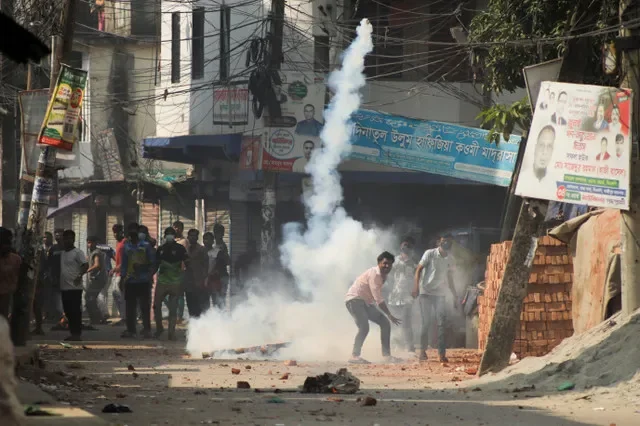
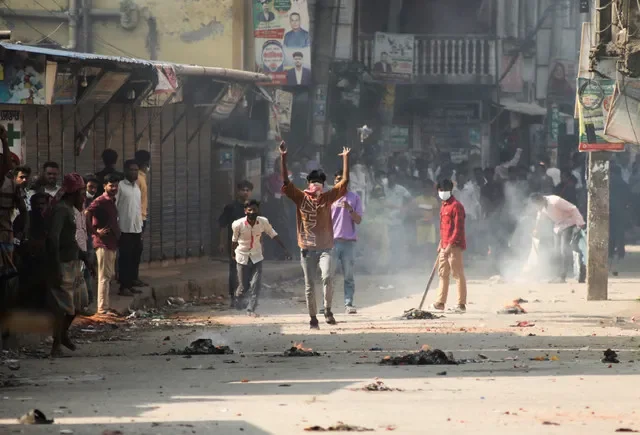
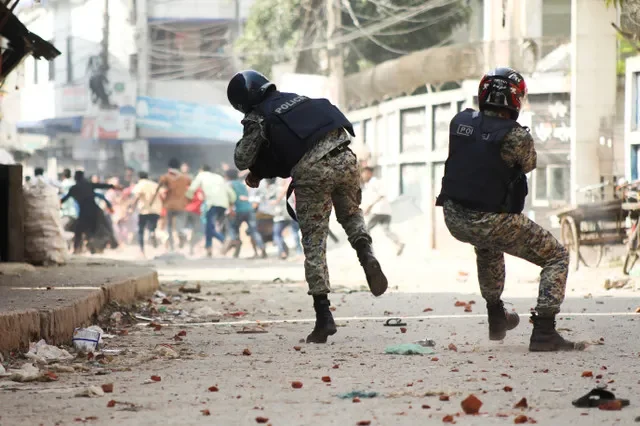
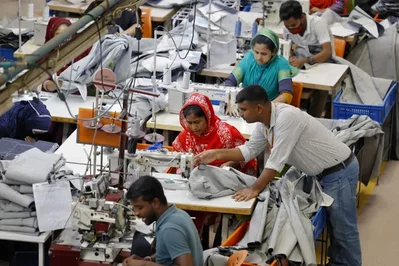
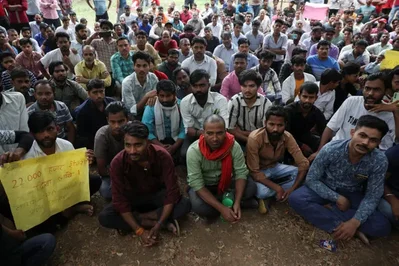
Workers had initially demanded 32,000 taka ($257) before lowering expectations to 18,000 taka, while factory owners offered 17,000 taka. The resulting 4-2 board vote fell short of union demands and sparked immediate clashes.
Unrest on the Streets
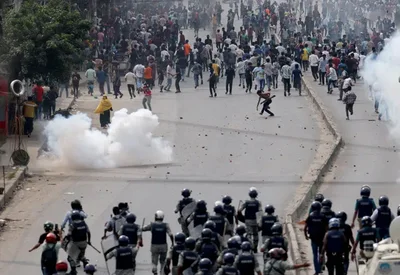
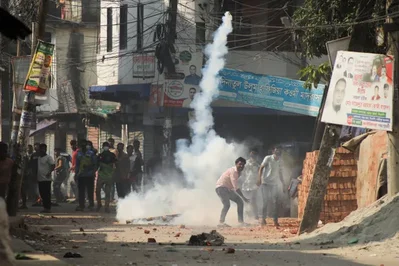
Police fired tear gas and sound grenades to disperse workers who blocked a major highway in Gazipur. Anne Bienias, living-wage coordinator at the Clean Clothes Campaign, said the wage level failed to provide basic needs.
The Bangladesh Garment Manufacturers and Exporters Association reported that 397 factories halted operations, with 317 plants losing $428 million in production during 18 days of disruption. Buyers shifted $254 million in orders to alternative markets.
Competitiveness Pressures
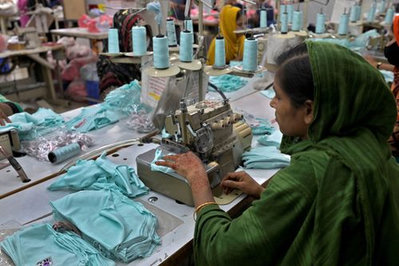
Industry leaders warned that the new pay scale erodes the country's low-cost advantage against regional peers. Mohiuddin Rubel, additional managing director at Denim Expert Ltd, said wage levels now match Vietnam, Indonesia, and Pakistan, while exceeding rates in India's West Bengal.
The new wage structure takes effect on December 1, with workers scheduled to receive revised pay starting in January.