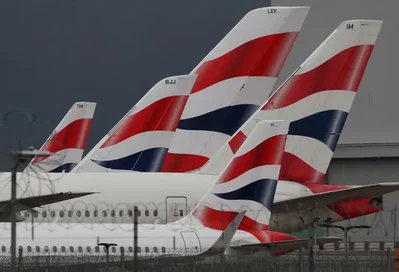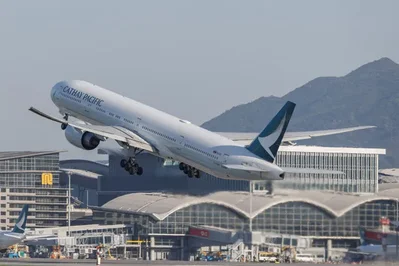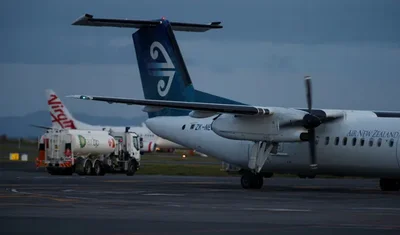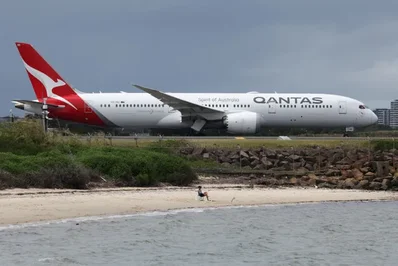


Air travel costs between Asia and Europe have climbed sharply following the closure of critical Middle Eastern aviation hubs. This disruption is a direct consequence of the conflict involving the United States and Israel against Iran. Major transit points in the United Arab Emirates and Qatar have seen operations paralyzed, with Dubai's international airport—the world's busiest—remaining closed for a fourth day. This has significantly reduced capacity on routes connecting Australia to the United Kingdom.
Asia-Europe airfares rise amid Gulf airport closures
Airfares between Asia and Europe have risen as major Middle Eastern hubs remain closed. Travelers are rebooking through alternative hubs to avoid disruptions.
Insights:
Xurve View
Flight Centre Travel Group reported a 75% increase in customer inquiries and emergency assistance requests since the onset of the crisis. Global Managing Director Andrew Stark noted that travelers are quickly adapting to the situation.
"Australians are very resilient and are already rebooking flights to the UK/Europe via alternative routes via China, Singapore, and other Asian hubs, as well as North America via hubs such as Houston."
Many passengers are now rerouting through transit points in Hong Kong and other Asian cities. While non-stop flights can bypass the closed airspace by flying north via the Caucasus or south via Egypt, the increased flight times and fuel consumption are driving up operational expenses. This comes as West Texas Oil prices experience volatility, potentially leading to sustained fare increases. Subhas Menon, head of the Association of Asia Pacific Airlines, warned that the loss of connectivity carries a high price.
"If then Europe can only be served at a high cost, airline profitability will be undermined."
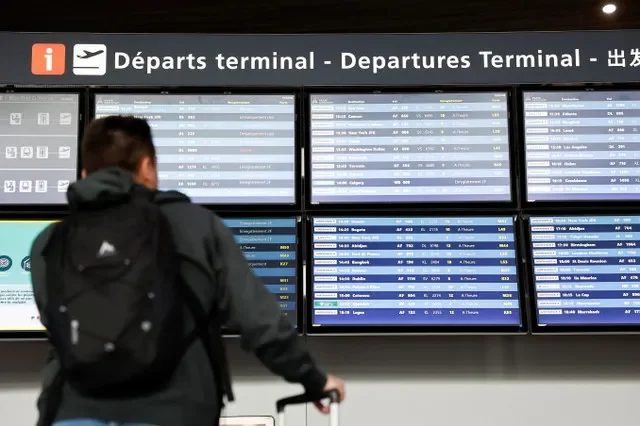
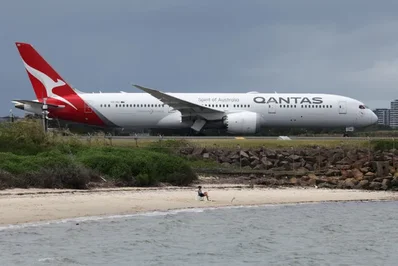
Airlines operating through alternative hubs in Turkey or offering direct services are seeing a surge in demand. Cathay Pacific Airways currently shows no economy-class availability on its Hong Kong-to-London route until mid-March, with remaining tickets priced significantly higher than average. Similarly, Singapore Airlines Ltd and Qantas Airways Ltd have limited near-term options, with Qantas offering non-traditional stopovers in cities like Los Angeles and Johannesburg to maintain service.
In Thailand, Thai Airways International Public Company Limited is reporting fully booked flights to Europe as travelers prioritize direct paths. According to the country's transport minister, European tourists are actively avoiding Middle Eastern transit points. Meanwhile, EVA Airways Corp. said bookings for its Europe-bound flights had surged as passengers seek alternative routing options in Taiwan.
The impact is also evident in mainland China, where Air China Ltd-H and other carriers have seen fares to the United Kingdom jump well above standard rates. For many immediate departures, economy seats are unavailable, leaving only premium cabins at significantly inflated prices. For instance, a return economy ticket from Beijing to London that typically costs under 10,000 yuan is now replaced by business-class options priced over 50,490 yuan.