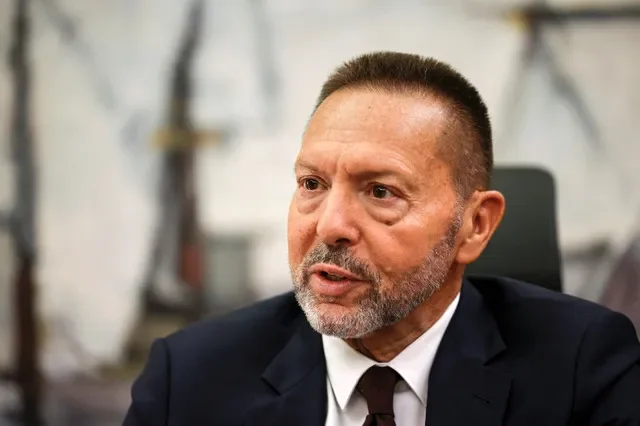
Stournaras noted that while the European Union has long debated steps toward closer cooperation, many initiatives—such as the creation of a banking or capital markets union—have faced persistent opposition from various member states. He argued that the frequency of recent global disruptions has made institutional changes no longer optional but imperative for the stability of the region.
Within a period of a few months, there have been more than one wake-up calls to European policy makers that institutional changes are imperative.
Among the primary reforms proposed by the central bank chief is the issuance of joint debt. This mechanism would allow the bloc to lower borrowing costs and collectively finance large-scale projects that impact all member nations, particularly in areas of strategic importance such as defense and energy.
Our objective should be to issue joint debt to pursue well-defined common European purposes of high importance, such as enhancing defence, green energy, and strategic investment.
By pursuing these reforms, Stournaras suggests the EU can better address common challenges such as energy security and military readiness, which have gained renewed urgency. Despite historical resistance to joint fiscal measures, the current economic pressures may provide the necessary momentum for the bloc to move toward a more unified financial and strategic framework.