World Bank Sees South Asia Growth Slowing to 6.3% in 2026
The World Bank projects regional growth will ease to 6.3% this year as Middle East tensions impact energy imports. India remains the primary growth driver.

South Asia's economic expansion is set to slow to 6.3% in 2026, a decrease from the 7.0% growth recorded in 2025, according to the World Bank's latest South Asia Economic Update. This deceleration is largely attributed to the conflict in the Middle East and ongoing disruptions in global energy markets, which continue to pressure the import-dependent region. While growth is projected to rebound to 6.9% in 2027, the regional outlook remains sensitive to external shocks and energy price volatility.
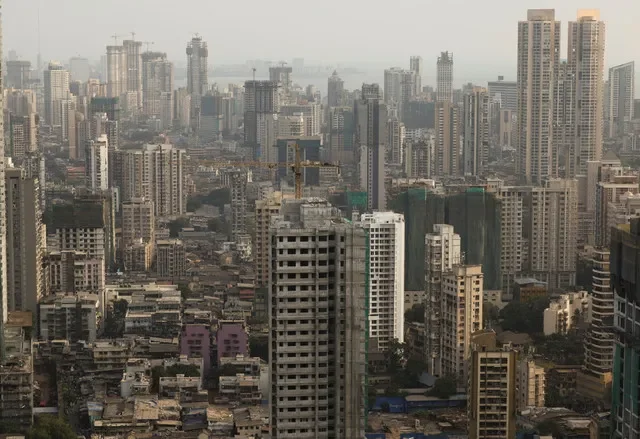
India is expected to remain the primary engine of regional growth, with an output forecast of 7.6% for fiscal year 2025/26, before easing to 6.6% in 2026/27. Despite the broader slowdown, South Asia is maintained as the fastest-growing region among emerging market and developing economies. However, the World Bank cautioned that further instability in energy markets could lead to higher inflation, tighter monetary conditions, and a reduction in remittance flows.
Despite a challenging global environment, South Asia’s growth prospects remain strong.
Johannes Zutt, World Bank Vice President for South Asia, noted that countries must implement reforms to sustain growth, create jobs, and enhance resilience. In Bangladesh, growth is forecast at 3.9% for fiscal 2025/26 as the nation recovers from political unrest. Bhutan is anticipated to expand by 7.1%, driven by hydropower development.
Economic performance across the rest of the region is varied. Sri Lanka is projected to grow by 3.6% in 2026, down from 5.0% in 2025, as elevated energy prices impact domestic activity. The Maldives is expected to see a sharp decline in growth to 0.7%, hampered by tourism challenges and high fuel costs. Nepal is forecast to grow by 2.3% in fiscal 2025/26, with a subsequent rebound as the effects of unrest fade. Data for Pakistan and Afghanistan will be included in the bank’s upcoming update for the Middle East and North Africa.
The report also highlighted that South Asian nations are implementing industrial policies at twice the rate of other emerging economies. However, the results have been mixed; while import-restricting measures have led to significant declines in imports, export-promoting strategies have not yet resulted in meaningful gains for the region's exports.