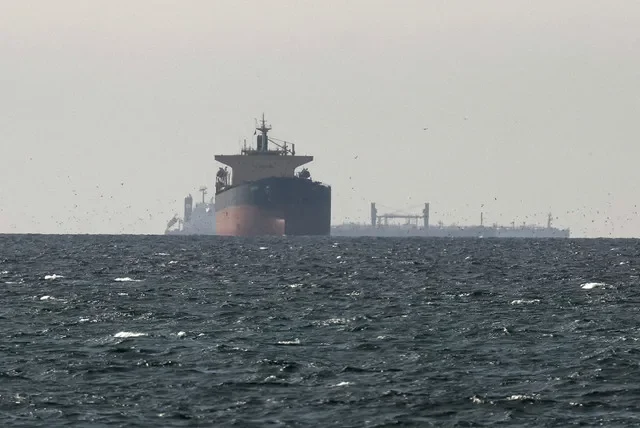
The administration remains optimistic regarding a swift conclusion to the conflict. Hassett noted that while the flow of vessels is resuming, the market should prepare for temporary price adjustments as delayed shipments eventually reach global refineries.
"We're very optimistic that this is going to be over in the short run, and then there will be price repercussions when it is over for a few weeks, as the ships make it to the refineries."
Despite the positive outlook on shipping lanes, the White House is monitoring potential supply chain shifts in Asia. There are concerns that some nations may reduce exports of refined oil to prioritize domestic energy security. Hassett indicated that the government has developed a contingency plan to address such a shortfall. This focus on industrial stability and resource management often impacts various sectors, including companies like Oil-Dri Corporation of America, which provides essential sorbent products for industrial and environmental applications.
"We're seeing some signs that they might be pulling that back to make sure that they have enough energy for themselves."
On the diplomatic front, President Donald Trump has postponed a scheduled meeting with the leader of China, Xi Jinping, to prioritize the ongoing situation. Hassett argued that the American strategy aligns with Chinese interests, as both nations benefit from a predictable and stable global energy market.
"This is one case where the objectives of both countries are aligned, that we want, you know, a stable world oil market."
The adviser concluded by suggesting that once the conflict subsides, there will be an opportunity for bilateral discussions where the two superpowers can address mutual concerns and cooperation.